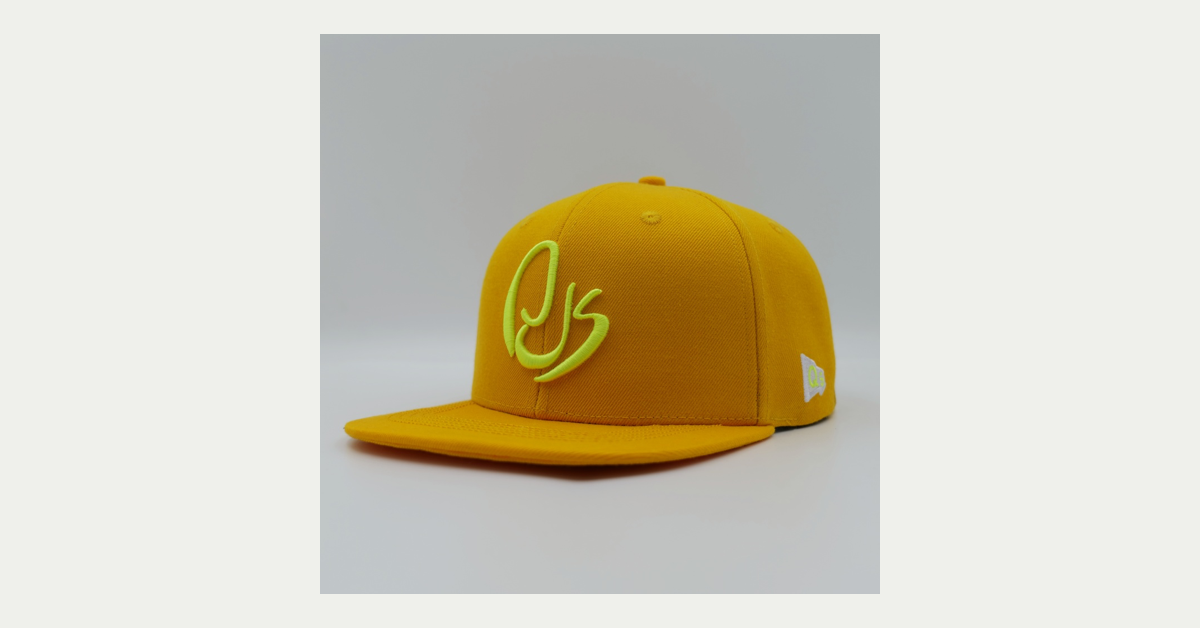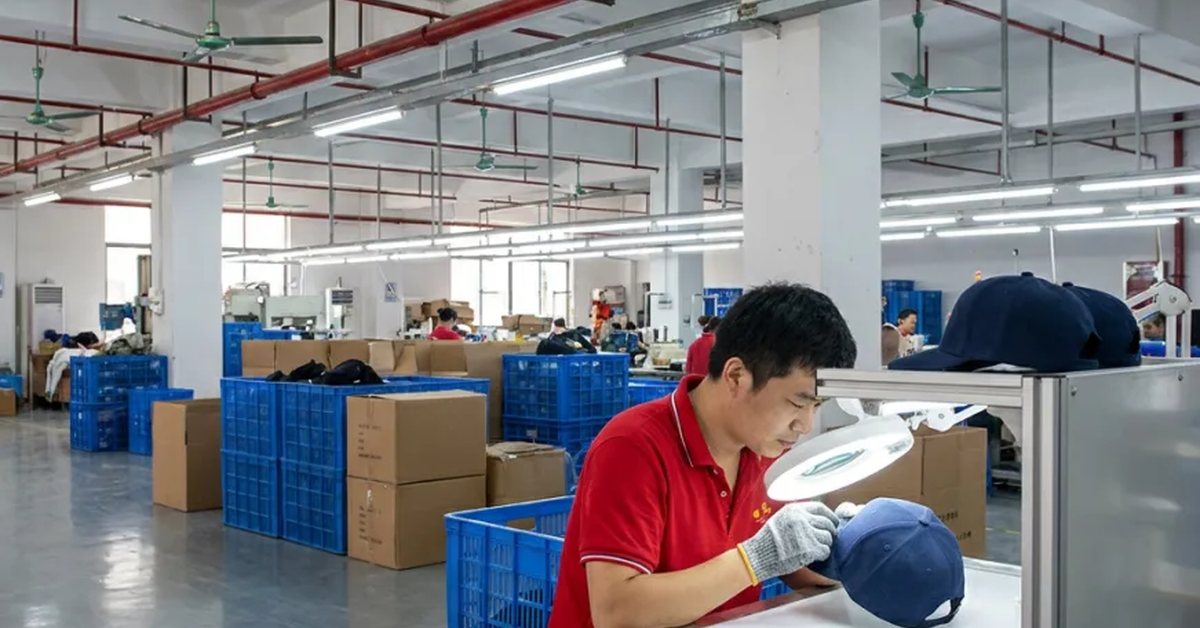


A custom workwear caps manufacturer should understand that uniform headwear is issued, worn, cleaned and replaced differently from fashion merchandise. Job role, weather, visibility, equipment interaction and laundering or wipe-down routines influence the cap specification. Buyers also need size allocation, employee identification and replenishment controls that remain practical after the first order.
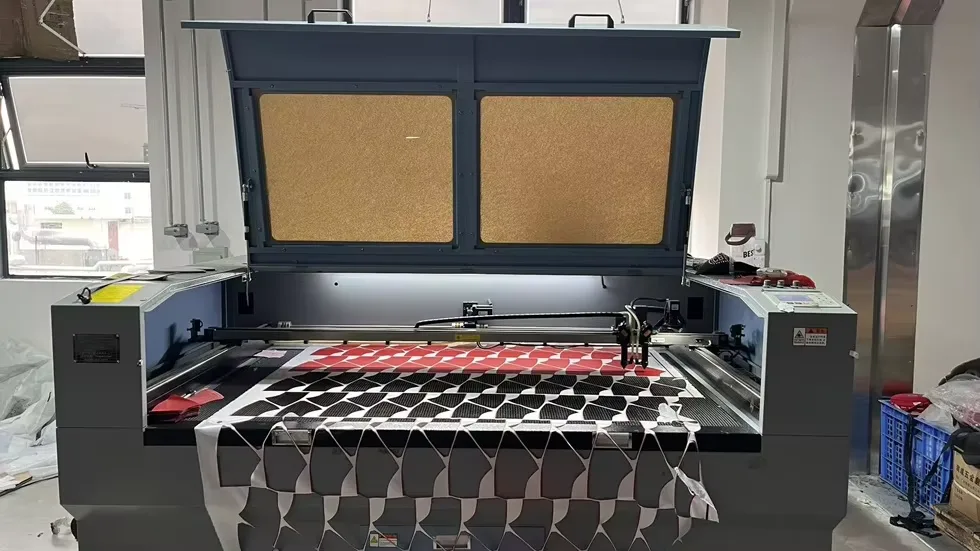
This guide applies to logistics, maintenance, field service, construction support, facilities, landscaping, hospitality and other teams where a cap is part of a work uniform. A cap is not protective headgear; required PPE must be specified and sourced separately.
Workwear Cap Sourcing: The Direct Answer
Map each job role, environment, shift length, visibility need, cleaning method and interaction with other equipment. Choose a simple fit platform and durable branding, define replacement triggers and approve the cap in a representative wear trial. Avoid safety claims unless the exact finished product has the required evidence.
Workwear Specification Table
| Decision | Buyer specification | Evidence to approve |
|---|---|---|
| Role | Indoor, outdoor, driver, service, maintenance or visitor | Job-use matrix |
| Environment | Heat, sun, dust, moisture, snag and soil exposure | Material proposal |
| Fit | Head range, closure, crown and equipment interaction | Wear trial |
| Visibility | Color and optional reflective decoration | Approved sample and evidence |
| Care | Wipe, hand wash or defined cleaning cycle | Care test |
| Issue control | Sizes, names, departments and replacement | Packing and reorder file |
Build a Job-Role Matrix Before Choosing the Cap
List who wears the cap, where, for how long and alongside which equipment. A driver may need a low crown and clear upward vision; an outdoor crew may value coverage and ventilation; a customer-facing team may prioritize a clean structured silhouette. Separate requirements rather than calling every employee an “outdoor user.”
Do Not Confuse Uniform Caps With PPE
A standard textile cap does not replace a hard hat, bump cap insert or other regulated head protection. If a job requires PPE, identify the applicable requirement and ensure compatibility through the responsible safety process. Use accurate descriptions for color, reflective decoration or sun coverage and avoid implying certified protection without product-specific test evidence.
Select Fabric for Soil, Snag and Climate
Polyester blends may dry quickly and hold color, while cotton twill can offer familiar hand feel. Ripstop or tightly woven fabrics may suit abrasion-prone environments. Record composition, weight, weave, finish, shade and care. Check whether the selected surface attracts dust, shows oil or snags on typical tasks.
Test Fit With Other Work Equipment
Evaluate glasses, hearing protection, communication headsets and high-collar uniforms where relevant. Define crown depth, brim length and closure position so equipment does not create pressure. The custom workwear caps manufacturer should sample the actual cap, but the employer remains responsible for job-specific compatibility and safety decisions.
Design Branding for Repeated Use
Flat embroidery can give durable identification but dense stitching may stiffen the front. Woven or PVC patches can make departments easy to distinguish. Reflective print may increase visibility in particular viewing conditions but is not automatically a safety certification. Approve finished size, placement, color and durability on the selected fabric.
Run a Representative Wear and Care Trial
- Issue samples to several job roles and head sizes.
- Observe fit, vision, heat and equipment contact.
- Check closure security during normal movement.
- Review soil visibility and ease of cleaning.
- Inspect logo edges, stitches and color after care.
- Record user comments separately from measurable defects.
QSHeadwear states typical physical samples take 3-5 business days after requirements are aligned. Special fabrics, reflective processes, names and extended wear trials can add time.
Plan Individual Names and Department Codes
Personalization can improve issue control but adds file, sorting and replacement complexity. Use a structured list with employee ID, name, department, cap color and pack label. Freeze spelling before production and define whether spare blank units will be held. For turnover-heavy roles, a department code may be easier to replenish than individual names.
Set Workwear Quality Criteria
Define measurements, shade, seam strength expectations, brim shape, closure function, logo placement, reflective appearance if used, cleanliness and packing accuracy. QSHeadwear describes incoming material, pre-production, in-line and final AQL 2.5 checks. Ask how mixed departments and personalized items will be verified before shipment.
Create a Replacement and Reorder Policy
Decide which damage or soil condition triggers replacement, who approves an issue and how sizes or departments are recorded. Keep a small buffer for new employees and lost items. Retain the approved cap, fabric, color, artwork and packing file, and require notice before material or closure substitutions.
Compare Total Program Cost
Separate cap, decoration, reflective process, personalization, labels, individual bags, sorting, inspection, cartons and freight. A low unit price can become expensive if distribution is manual or replacements cannot be matched. Compare the complete first-order and replenishment process.
Request a Workwear Cap Plan
Review QSHeadwear products, the OEM/ODM workflow and factory information. Send job roles, environment, fit, fabric, branding, quantity, care and delivery needs through the contact page to consult a custom workwear caps manufacturer.
FAQ About Custom Workwear Caps
1. Are standard workwear caps protective equipment?
No. A textile uniform cap does not replace required PPE; job-specific protection must follow the applicable safety process.
2. What should a workwear cap brief include?
Include roles, environment, shift duration, fit, equipment interaction, fabric, branding, care, quantities and delivery points.
3. Which fabrics suit workwear caps?
Polyester blends, cotton twill and tightly woven fabrics can work when soil, snag, climate and care needs are considered.
4. Can work caps use reflective decoration?
Yes, but define the process and viewing condition and do not make a certification claim without product-specific evidence.
5. How should fit be tested?
Trial the cap across target head sizes and with glasses, headsets or other relevant equipment.
6. What affects workwear cap MOQ?
Fabric colors, department logos, personalization, reflective processes, labels and packing can affect minimums.
7. How long does sampling take?
QSHeadwear states typical physical samples take 3-5 business days after alignment; special processes and trials add time.
8. What should workwear QC inspect?
Check measurements, seams, brim, closure, color, branding, personalization accuracy, cleanliness and pack-out.
9. Should employee names be embroidered?
Names can aid control but make replacement and sorting more complex; department codes may be more flexible.
10. How should replenishment be planned?
Keep an issue record and buffer, retain approved specifications and define approval for substitutions before reordering.