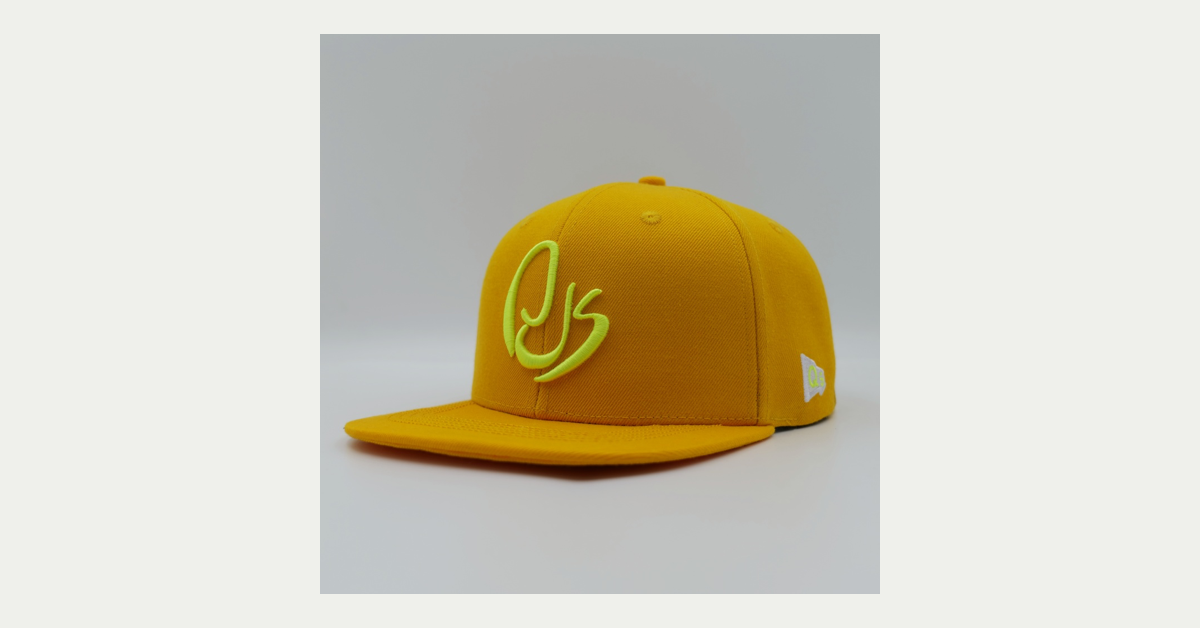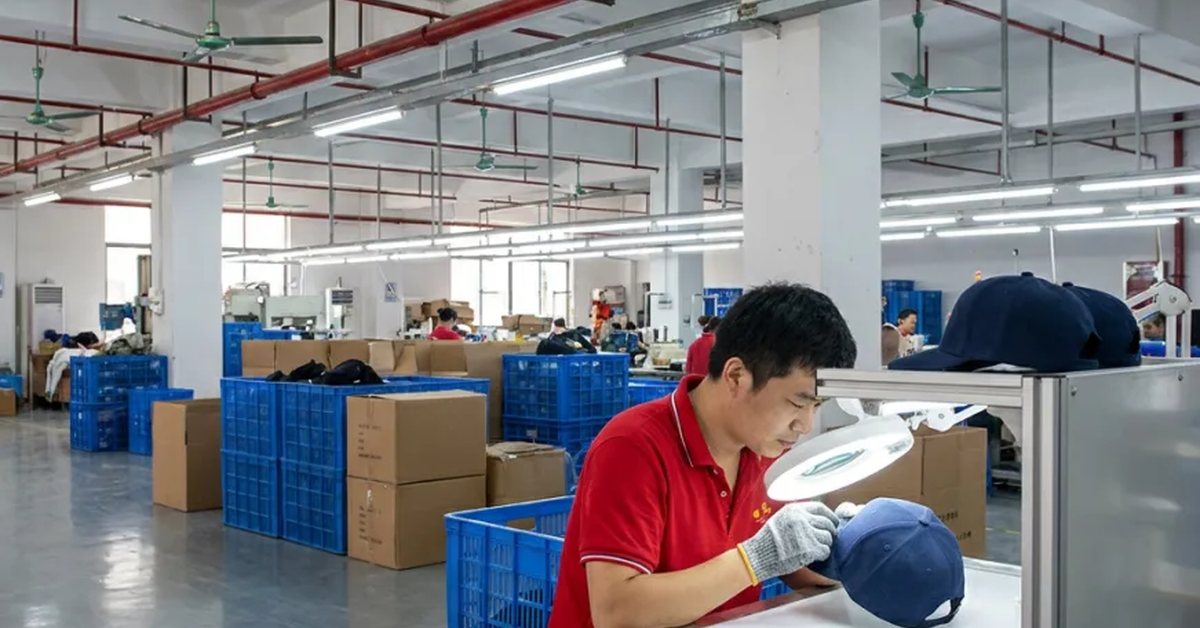


Buyers asking how to find custom hat manufacturer partners need more than a list of search results. The goal is to discover factories that match the product, quantity, quality level, development needs and delivery market, then verify enough evidence to create a qualified shortlist.
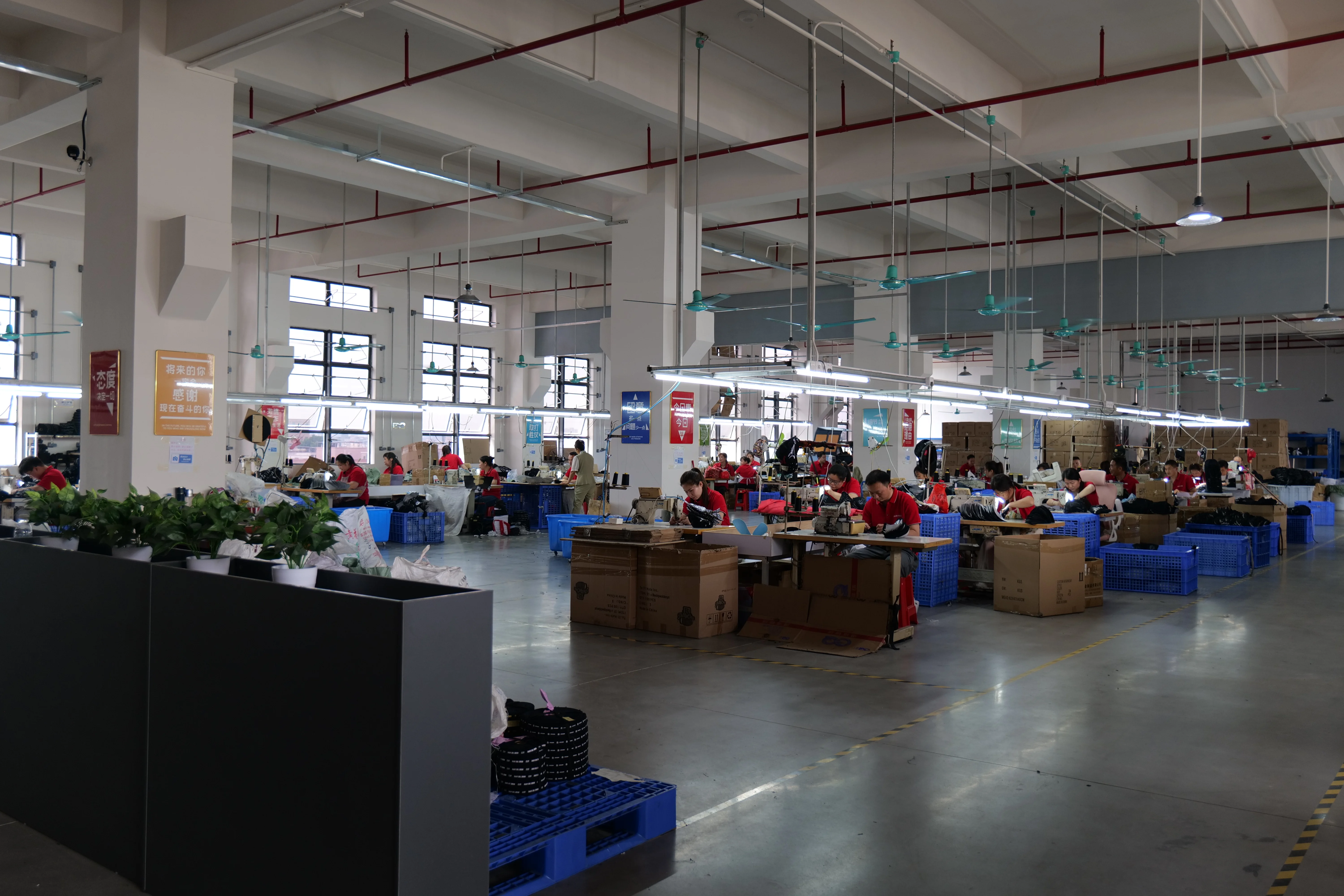
This sourcing method separates discovery from final selection. It helps brands avoid wasting sample time on suppliers that cannot support the required construction, decoration or order plan.
Define the Manufacturer You Need Before Searching
| Requirement | Questions to define | Why it matters |
|---|---|---|
| Product | Cap style, structure, material and decoration? | Factories specialize in different constructions |
| Volume | Sample quantity, MOQ and annual forecast? | Capacity and component minimums must fit |
| Development | Complete tech pack or design support? | OEM and ODM capability differ |
| Quality | Tolerances, tests and inspection level? | Evidence must match the buyer standard |
| Market | Destination, labeling and delivery needs? | Export and compliance experience matter |
Use Several Discovery Channels
Search engines, industry directories, trade fairs, referrals, sourcing networks and professional platforms can all identify candidates. No channel proves capability by itself. A polished website can be informative, while a referral can be outdated or based on a different product.
Use consistent search phrases that combine product and service, such as custom baseball cap manufacturer, private label headwear factory or OEM embroidered caps. Record the source of every candidate for later review.
Read the Website for Specific Capability Evidence
Look for actual cap styles, materials, decoration processes, sample workflow, quality checks, factory images, address and contact details. Strong pages explain limitations and buyer inputs, not only broad claims such as high quality or best price.
Check whether product photographs and process descriptions are internally consistent. Repeated stock images, conflicting company names or unrelated product categories are reasons to request more evidence.
Distinguish a Manufacturer From a Trading Company
A trading company is not automatically unsuitable; it may coordinate several specialist factories. The issue is transparency. Ask which processes are completed in-house, which are subcontracted and who controls quality, sampling and corrective action.
Request the legal company name, business address and production location. Verify that quotations, invoices and bank details are consistent with the agreed contracting party.
Build a First-Pass Capability Questionnaire
- Which cap types are produced regularly?
- Which decoration processes are in-house?
- What are typical MOQs by style and color?
- How are samples developed and approved?
- What is the monthly capacity and current availability?
- How are incoming materials, inline work and finished goods inspected?
- Which markets are served and which delivery options are supported?
- Can the factory provide relevant certificates or reports when required?
A concise written questionnaire makes how to find custom hat manufacturer candidates a repeatable process rather than a collection of impressions.
Ask for Evidence That Matches the Claim
For embroidery capability, request close photographs of relevant production, not only finished lifestyle images. For capacity, ask about machines, labor, shifts and recent output. For quality control, request an anonymized inspection form or defect example. For sustainable materials, confirm the scope and validity of documentation.
Evidence should relate to the intended order. A certificate for another company, material or facility does not automatically cover the project.
Use Video and Factory Visits Effectively
A live video call can show cutting, embroidery, sewing, finishing, inspection, packing and material storage. Ask the supplier to move through the facility continuously and explain current work. A physical audit provides deeper review of systems, capacity and records when order risk justifies it.
Do not treat one factory image as proof of every capability. Note outsourced processes and the controls applied to them.
Screen Communication Before Sampling
Good communication is technically useful: the supplier identifies missing specifications, separates assumptions and confirms next steps. Fast replies that ignore questions are not a strong signal. Evaluate whether the contact can translate a design request into materials, construction, decoration and quality requirements.
Send the same short brief to shortlisted candidates. Compare the questions they ask, not only the prices they return.
Check Commercial Fit Without Chasing the Lowest Quote
Confirm MOQ, payment terms, sample fees, tooling, component minimums, quoted Incoterm, lead time and price validity. A quote should define what is included. Very low prices may reflect different materials, inspection scope, packaging or responsibilities.
At the discovery stage, use budgetary pricing to remove clear mismatches. Final comparison should wait until the product specification is aligned.
Recognize Common Sourcing Red Flags
- Refusal to identify the legal contracting company.
- Unexplained changes to bank details.
- Claims that every style, quantity and deadline is easy.
- Quotations with no material or construction definition.
- Certificates that cannot be linked to the company or material.
- Pressure for bulk payment before sample and terms are agreed.
- Inconsistent factory addresses or company names.
- No clear process for defects or corrective action.
Create a Shortlist of Three to Five Candidates
Score basic product fit, quantity fit, development capability, evidence, communication, quality systems, delivery experience and commercial compatibility. Keep notes and source links. Remove candidates that fail critical requirements even if their price is attractive.
A manageable shortlist allows deeper sample and quote evaluation without duplicating work across too many suppliers.
Move From Discovery to Qualification
The next step is a controlled request for quotation and sample plan using the same specification. Compare the supplier response, sample workmanship, measurement control, change handling and schedule reliability. This is where discovery becomes final selection.
Knowing how to find custom hat manufacturer options is valuable only when each candidate is evaluated against the same buyer requirements.
Verify Business Identity and Payment Details
Before sending development funds or a deposit, confirm the legal company name, registered address, business documents and beneficiary information through independent records available in the supplier's jurisdiction. Understand the company named on the quotation, contract, invoice and bank account. If names differ, request a documented explanation and verify it through a known contact channel.
Treat an unexpected bank-account change as a new verification event. Confirm it using previously validated contact details rather than only replying to the message that requested the change. This commercial check is separate from product capability, but both are necessary.
Protect the Search With a Controlled RFQ
Send shortlisted suppliers the same request for quotation and deadline. Include an editable specification, artwork, quantity matrix, destination, target schedule, packaging brief and required trade term. Ask each supplier to list assumptions, exclusions, sample charges, payment terms and quote validity.
A controlled RFQ reveals whether a supplier notices missing information, explains constraints and returns a complete offer. Keep clarifications in a shared question log so every candidate receives material updates. One offer should not appear cheaper merely because it omits a requirement.
Keep a Sourcing Evidence Folder
Store the inquiry, questionnaire, legal checks, capability evidence, meeting notes, factory images, quotation versions, sample reports and reference feedback by supplier. Label files with dates and record who verified each item and what remains unconfirmed.
This folder gives stakeholders a traceable answer to how to find custom hat manufacturer partners and supports a clean handover from sourcing to product, quality and logistics teams.
Review the folder before each new order. Refresh expired documents, confirm contacts and check whether the intended factory, production process or subcontracting arrangement has changed since the original qualification.
Use a short written reapproval when important facts change. Traceable decisions reduce dependence on individual memory and make supplier onboarding easier to audit.
Review QSHeadwear as a Potential Factory Partner
QSHeadwear presents 15+ years of experience, 100+ skilled staff, a 4,000+ square meter production area and monthly capacity of 120,000-150,000 pieces. Review the OEM/ODM workflow, browse custom headwear options and use the contact page to submit a consistent sourcing brief.
For buyers researching how to find custom hat manufacturer partners, the factory can respond to product, sample, MOQ, quality and delivery questions using the project specification.
FAQ About How To Find Custom Hat Manufacturer
1. Where can I search for custom hat manufacturers?
Use search engines, trade directories, referrals, industry events and professional sourcing networks, then verify every candidate.
2. Is a trading company always a bad choice?
No. The important issue is transparency about production, subcontracting, quality control and the contracting party.
3. How can I verify a hat factory remotely?
Use legal company details, live video, process evidence, sample records and relevant documentation.
4. How many suppliers should I shortlist?
Three to five qualified candidates are usually manageable for detailed comparison.
5. What should I ask in the first message?
Provide the style, quantity, decoration, market and date, then ask about capability, MOQ, sampling and lead time.
6. Should I request pricing before a tech pack?
A budgetary range is possible, but firm comparison requires aligned specifications.
7. What factory photos should I request?
Ask for relevant cutting, decoration, sewing, finishing, inspection and packing evidence.
8. How do I check quality systems?
Request inspection criteria, sample records and examples of corrective-action handling.
9. What is a major payment red flag?
Unexplained bank-detail changes or pressure for bulk payment before terms and samples are controlled.
10. When should I arrange a factory audit?
Use an audit when order value, compliance needs or supply risk justify deeper verification.