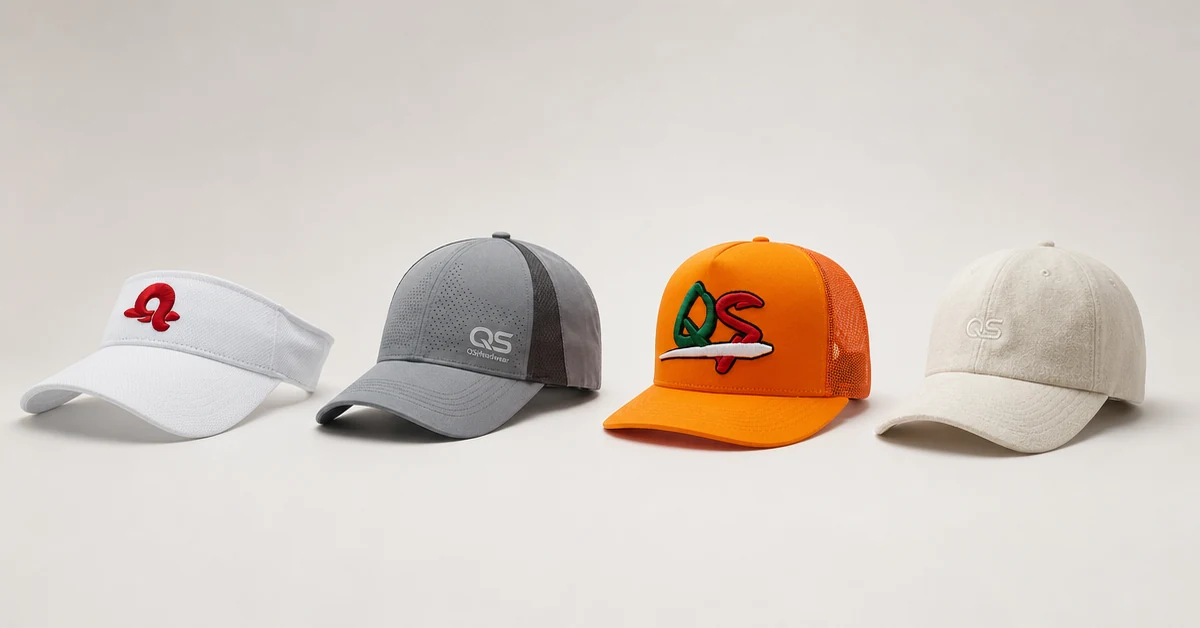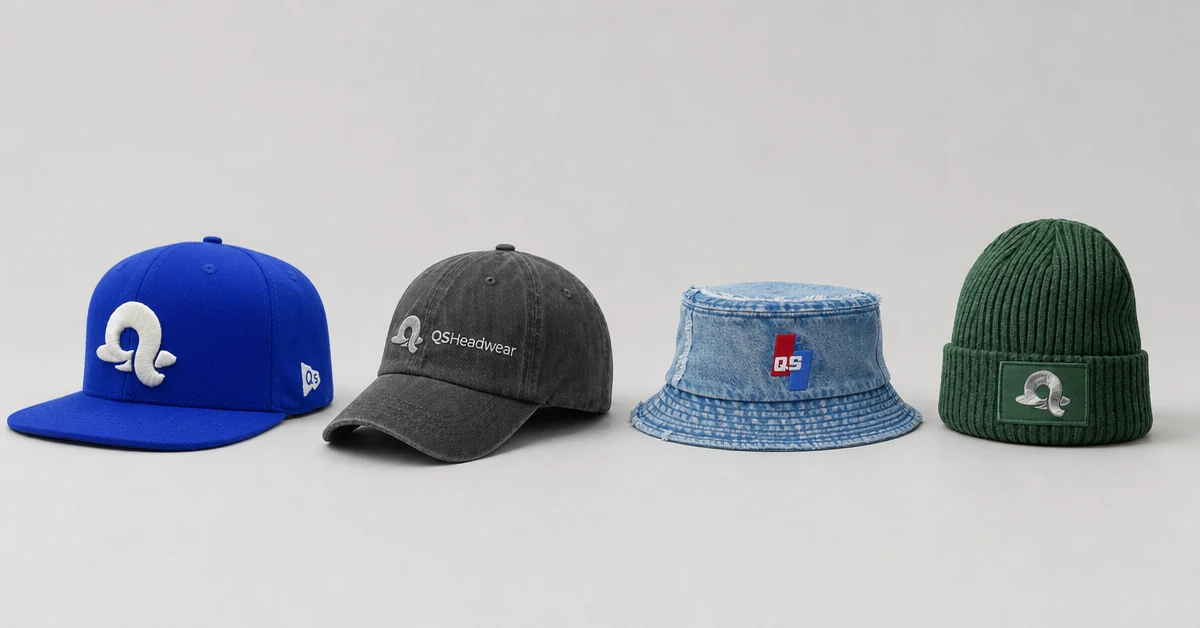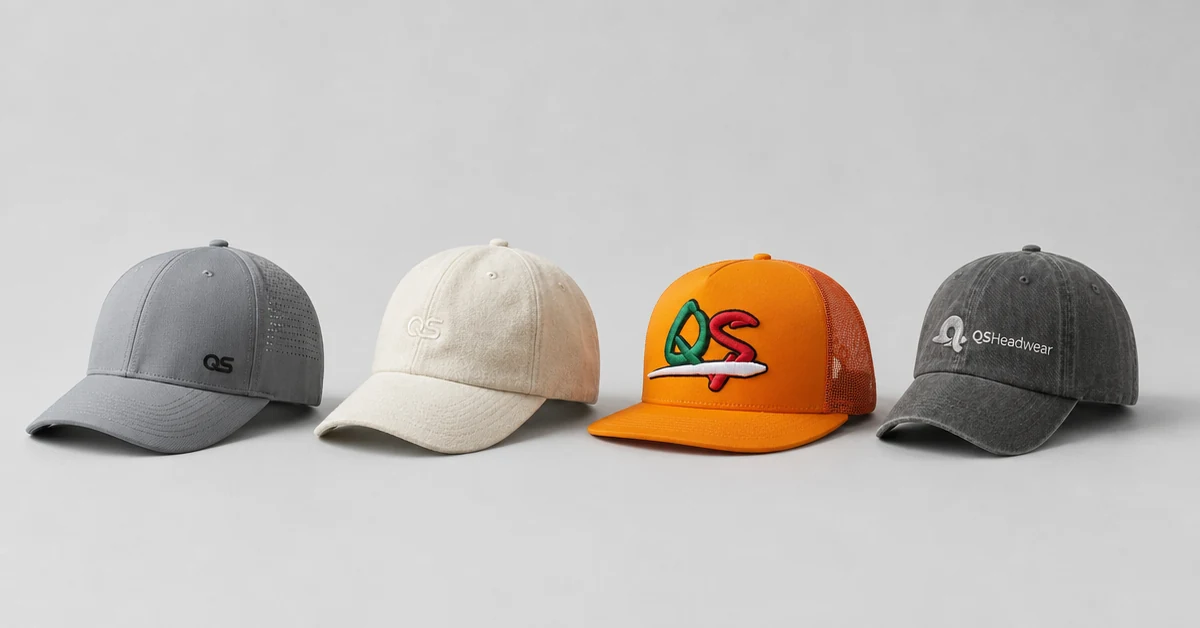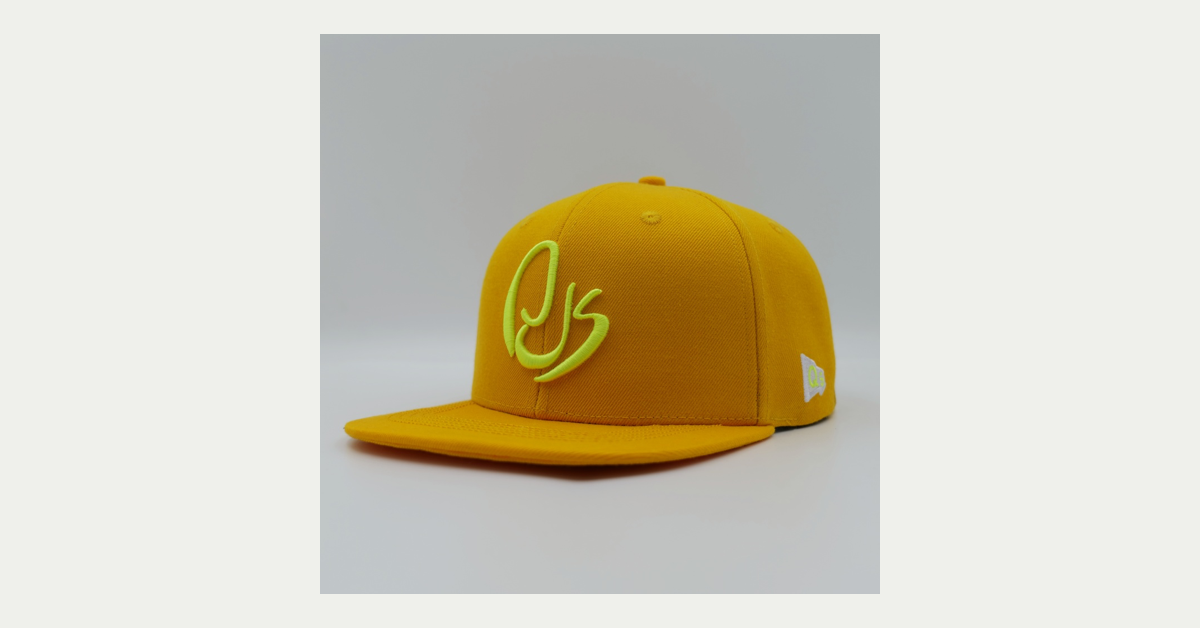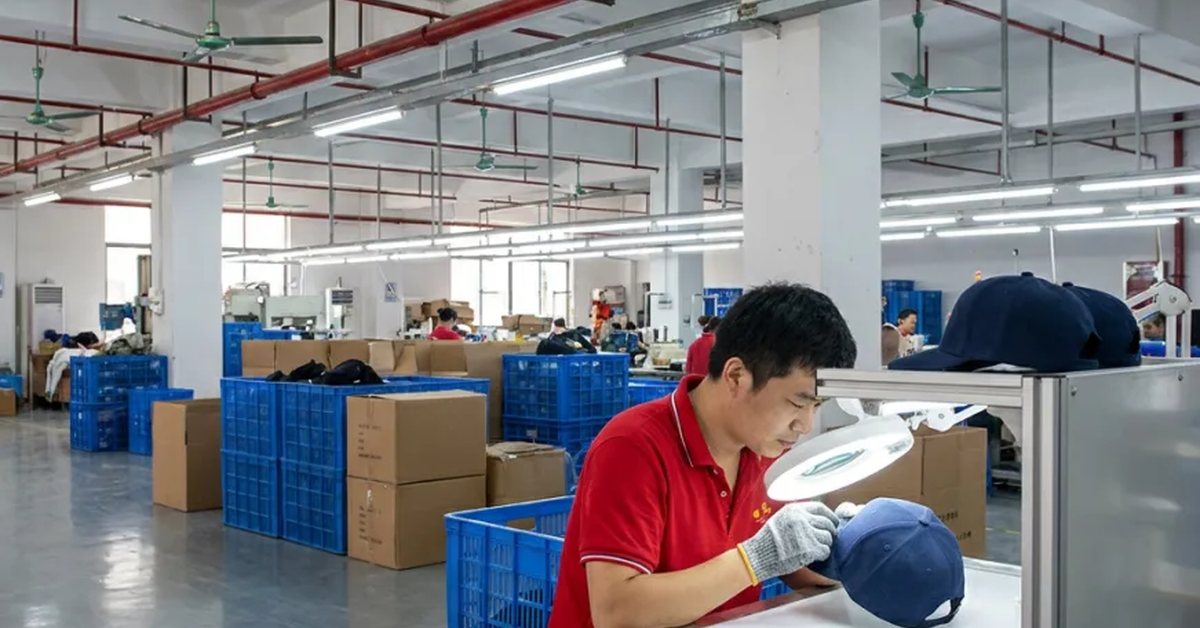


OEM vs ODM hats is a question about who supplies the starting design and who performs the development work. In OEM production, the buyer normally provides a tech pack, artwork, approved specification or physical reference. In ODM development, the manufacturer contributes more of the concept, style direction and product development before production begins.
Neither model is automatically better. The right choice depends on your internal design resources, launch schedule, need for differentiation, control of intellectual property and ability to approve technical details. This guide gives apparel brands, retailers and e-commerce teams a practical decision framework.
OEM vs ODM Hats at a Glance
| Decision area | OEM hats | ODM hats |
|---|---|---|
| Starting point | Buyer-supplied design or specification | Manufacturer concept, catalog direction or co-development |
| Buyer resources | Stronger design and technical capability | Clear commercial brief and approval capability |
| Development speed | Efficient when files are production-ready | Efficient when the buyer needs guided options |
| Differentiation | High when the buyer owns a distinctive design | Depends on the depth of adaptation and exclusivity |
| Risk to control | Manufacturability and specification gaps | Originality, market fit and ownership boundaries |
What an OEM Cap Manufacturer Does
An OEM cap manufacturer converts a defined buyer design into a repeatable production specification. The factory reviews the tech pack, AI/PDF artwork or physical sample, checks manufacturability, proposes materials and processes, makes a physical sample, and produces the approved order.
OEM is a strong fit when your team already controls:
- cap style, crown structure and dimensions;
- fabric composition, weight or reference quality;
- color standards and artwork;
- logo size, position and decoration method;
- labels, packaging and compliance information;
- approval ownership inside your organization.
The manufacturer still provides technical judgment. For example, it may recommend changing stitch density for a lightweight fabric or adjusting a patch edge so it can be sewn cleanly. OEM does not mean blindly copying an incomplete drawing.
What an ODM Cap Manufacturer Does
An ODM cap manufacturer starts with a broader commercial brief. The buyer may specify audience, price position, season, colors and brand direction while the manufacturer presents suitable structures, materials and decoration routes. The final product may adapt an existing concept or result from deeper joint development.
ODM is useful when a brand has strong market knowledge but limited headwear engineering resources. It can also help a retailer build a coordinated collection faster. The buyer must still validate originality, fit, performance and market suitability rather than treating the manufacturer's first suggestion as automatically ready to sell.
Choose OEM When Your Design Is Already Defined
OEM usually fits teams that have a designer, product developer or experienced sourcing manager. It is especially useful for a distinctive crown, an exact branded silhouette or a program that must match an existing apparel line.
Before approaching an OEM headwear manufacturer, check that your files contain measurements, tolerances, materials, artwork dimensions, color references, closure details, internal trims and packing instructions. A mood board is helpful context, but it is not a production specification.
Choose ODM When You Need Structured Development Support
ODM can reduce the time spent translating a broad idea into viable options. It is appropriate when you know the customer and use case but want support selecting cap structures, fabric and decoration. It can also serve a brand testing headwear before hiring a specialized product team.
Give the factory a disciplined brief: target wearer, retail price, market, season, quantity, preferred materials, prohibited features, reference products and launch date. A vague request for something "trendy" produces subjective work and weak approval criteria. If the cap silhouette itself is still undecided, our guide to choosing the right cap style compares the main structures before you write the brief.
Intellectual Property and Design Ownership
Design ownership should be discussed before development, not after a successful sample appears. The World Intellectual Property Organization explains that industrial designs concern the ornamental aspect of a product, including three-dimensional shape and two-dimensional patterns, lines or color. Protection is territorial and requirements differ by jurisdiction. Buyers should seek qualified legal advice for their markets rather than relying on a factory conversation as legal clearance.
For either sourcing model, document:
- which files and references the buyer supplied;
- which elements the manufacturer proposed;
- whether molds, embroidery files or patterns are exclusive;
- who owns and stores tooling and development files;
- whether the style can be offered to other customers;
- how confidential samples and rejected versions are handled.
Read WIPO's overview of industrial design protection for general background, then confirm the rules in each sales market.
Sampling Workflow for OEM and ODM Hats
OEM sample workflow
- Review the buyer's files and identify missing specifications.
- Confirm materials, dimensions, decoration and packaging.
- Prepare the first physical sample.
- Record fit, appearance and workmanship corrections.
- Approve a final sample and production specification.
ODM sample workflow
- Translate the commercial brief into several viable directions.
- Select the structure, fabric and brand treatment.
- Confirm ownership and allowed adaptations.
- Prepare and review the physical sample.
- Freeze the chosen design as a controlled production record.
QSHeadwear states that typical physical sample development is 3-5 business days after details are aligned. Complex materials or iterative design changes can extend that timeline.
Cost and Lead-Time Differences
OEM can move quickly when the buyer submits complete, manufacturable files. Incomplete tech packs create hidden development time. ODM can shorten early ideation but may require more rounds to align brand direction and approve a distinctive result.
Cost should be separated into development, sample, tooling or setup, production, inspection, packaging and freight. Ask whether design support is included, separately charged or credited after a bulk order. Confirm how revisions beyond the agreed number of rounds are handled.
When comparing OEM vs ODM hats, use the same target material, decoration, quantity and delivery terms. Otherwise, a price difference may reflect a different product rather than the development model.
Quality Control Does Not Change With the Sourcing Label
OEM and ODM describe development responsibility, not a lower or higher quality grade. Both require an approved sample, defined tolerances, material checks, in-line monitoring and pre-shipment inspection. QSHeadwear presents a multi-stage workflow ending with an AQL 2.5 final inspection. ISO 2859-1:2026 describes AQL-indexed sampling schemes for lot-by-lot inspection; the applicable plan and defect classes still need to be agreed for the order.
How QSHeadwear Supports Both Models
QSHeadwear OEM/ODM services accept tech packs, AI/PDF artwork and physical references for OEM programs. For ODM programs, the in-house team follows US and EU fashion directions and presents new style options. The factory also supports fabric selection, embroidery, printing, patches, labels, hangtags and bespoke packaging.
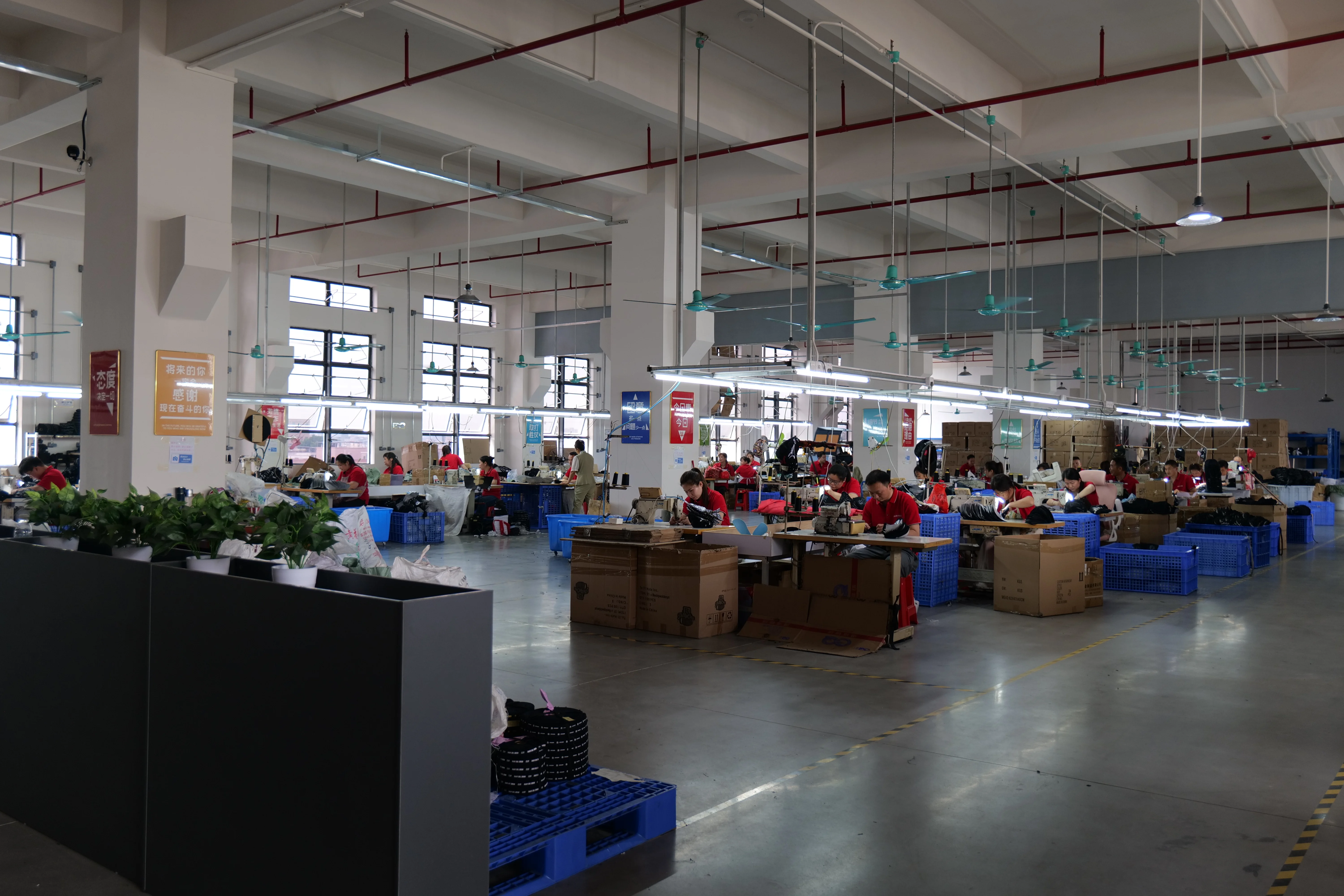
The company reports 15+ years of headwear experience, 100+ skilled staff, 30+ embroidery machines, 4,000+ square meters of production space and monthly capacity of 120,000-150,000 pieces. Review the factory profile and production process before sending a project brief.
A Six-Question Decision Test
- Do we own a production-ready design?
- Can our team approve technical details and tolerances?
- How much visual differentiation is essential?
- What design elements require exclusivity?
- Is speed more important than creating a new structure?
- Who will own the final specification and reorder records?
If you answer yes to the first two questions, OEM is likely the cleaner route. If you have a commercial brief but need product-development guidance, ODM may be more efficient. Hybrid projects are also common: a manufacturer can start from an established structure while the buyer controls materials, graphics and branded details.
What to Put in the Development Agreement
Record deliverables, sample rounds, target dates, ownership of artwork and patterns, confidentiality, approval authority, tooling storage and the information required for reorders. A clear agreement also states which changes affect price or schedule. This prevents OEM vs ODM hats from becoming a vague label and turns the chosen model into an accountable workflow.
Start the Right Custom Hat OEM ODM Project
Send QSHeadwear your target customer, preferred style, quantity, artwork status, materials, price position, delivery country and launch date. The team can identify whether OEM, ODM or a hybrid route creates the clearest approval and production path. Start a headwear project with a written scope rather than a one-line price request.
FAQ About OEM vs ODM Hats
1. What is the main difference between OEM and ODM hats?
OEM normally starts from the buyer's design; ODM includes more manufacturer-led concept or product development.
2. Is ODM the same as buying a blank cap?
No. ODM can include style selection and adaptation, while blank-cap decoration is a narrower production route.
3. Which model gives a brand more design control?
OEM usually gives the buyer more direct control because it supplies the specification. ODM control depends on the agreed development scope.
4. Is OEM always more expensive?
No. Cost depends on materials, complexity, setup, quantity, revisions and packaging, not the label alone.
5. Can a startup use OEM?
Yes, if it has a sufficiently complete design and can make technical approval decisions.
6. Can an established brand use ODM?
Yes. ODM can help expand a collection quickly or explore a new headwear category.
7. Who owns an ODM design?
Ownership and exclusivity depend on the agreement. Record them before development begins.
8. How many samples are needed?
The number depends on design maturity and revisions. Approve a final physical sample before bulk production.
9. Do OEM and ODM orders use the same QC process?
They should both follow a defined material, sample, production and final-inspection plan.
10. What information should I send first?
Send audience, market, style references, quantity, budget position, artwork status, required custom details and launch date.