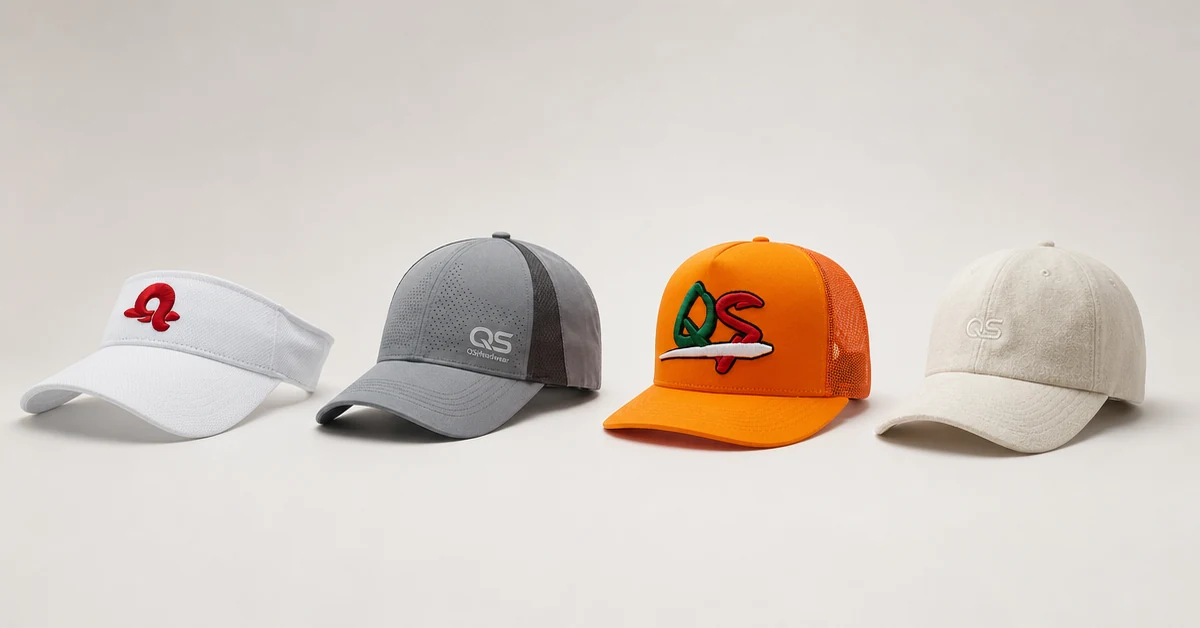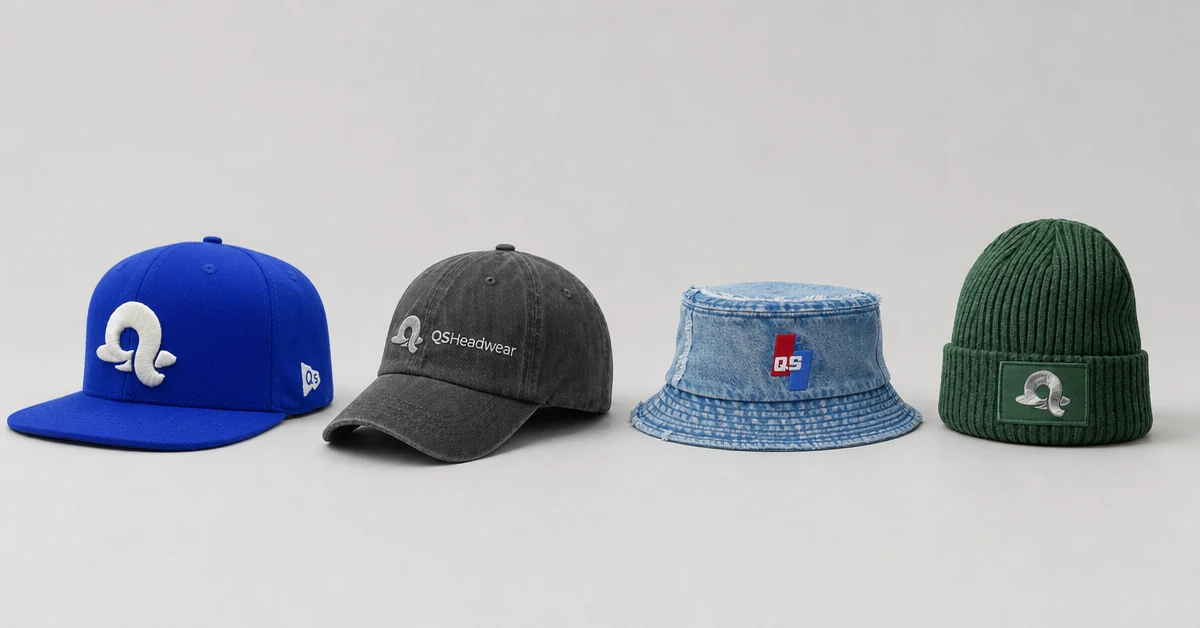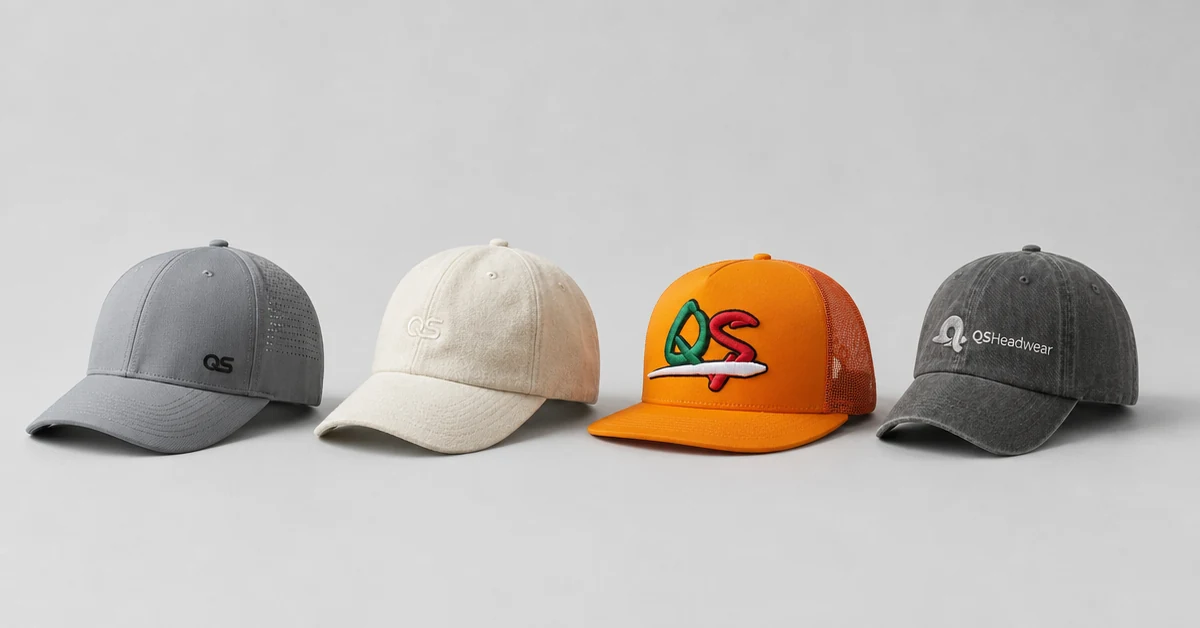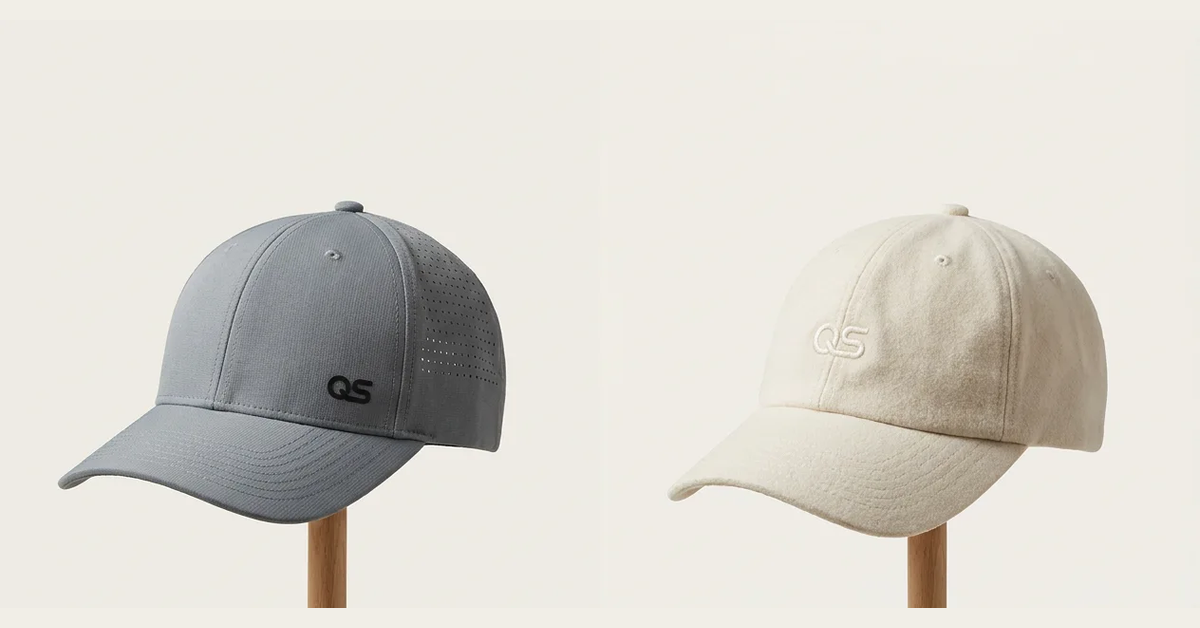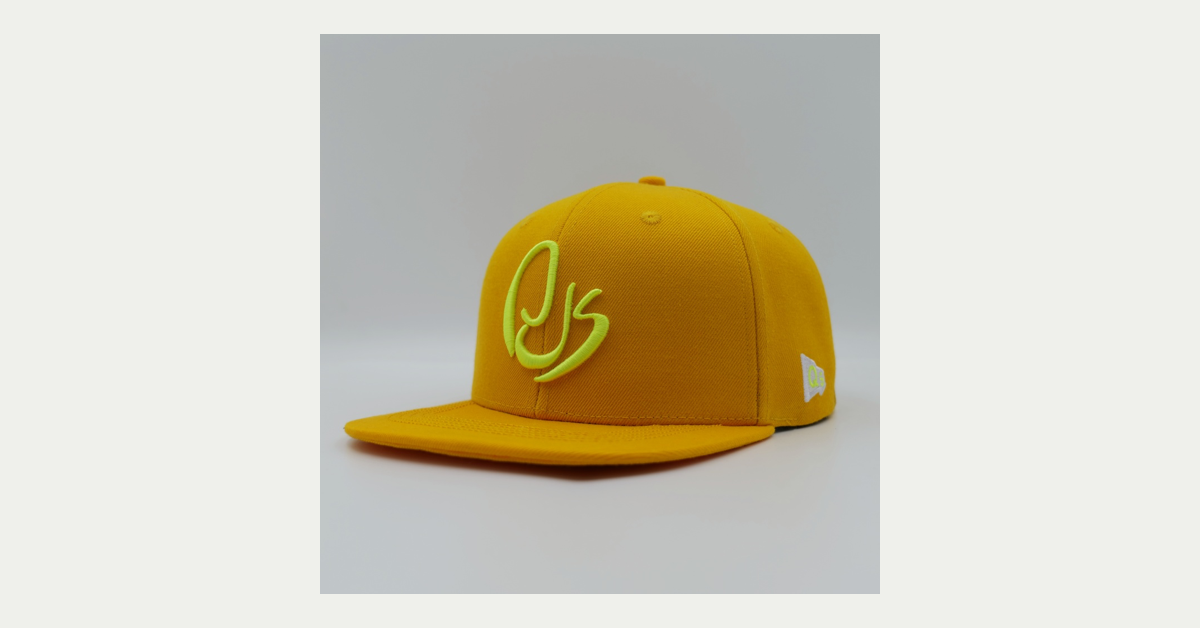


A performance cap is not a fashion cap made from lighter fabric. It is a different product with different priorities. A streetwear cap has to look right in a photograph. A running cap has to stay comfortable through ninety minutes of sweat, sun and movement, and it has to still look acceptable after fifty washes. Those requirements shape every material and construction decision, and buyers who treat the two categories as interchangeable usually discover the difference after the first customer complaint.
This guide covers what actually separates a technical cap from a casual one: fabric behaviour, ventilation engineering, fit stability and finishing details. If you are still deciding which silhouette suits your brand at all, start with our guide to choosing the right cap style and come back once the shape is settled.
What "Performance" Actually Means in a Cap
Performance is a measurable set of behaviours, not a marketing adjective. When a sports brand specifies a technical cap, it is usually asking for four things: moisture moved away from the skin, heat allowed to escape, a fit that does not shift during movement, and colour that survives repeated washing and UV exposure. Each of those is delivered by a specific material or construction choice, and each can be specified, sampled and tested.
The failure mode buyers see most often is a cap that performs well in the showroom and poorly in use. Cotton feels pleasant in the hand and photographs beautifully, but it absorbs sweat and holds it. On a two-hour ride that means a heavy, cold, salt-stained band. The material was not defective; it was simply the wrong specification for the use case.
Moisture Management
Synthetic fibres such as polyester do not absorb much water into the fibre itself. Instead, engineered yarn shapes and knit structures move moisture along the surface and spread it over a wider area so it evaporates faster. This is why a technical polyester cap feels dry sooner than a cotton one even when both are equally wet.
The sweatband matters more than the shell here, because it sits against the skin and takes the highest moisture load. A moisture-wicking sweatband is standard on our custom sports and performance caps, and it is worth specifying explicitly rather than assuming a supplier will include it. Ask what the band is made of, not just whether it is "moisture-wicking".
Weight and Thermal Load
Lighter fabric reduces heat buildup, but there is a floor below which the cap loses shape and durability. Very lightweight shells can also become semi-transparent, which changes how embroidery backing looks from the outside. The practical answer is usually a lightweight technical shell paired with structure only where it is needed, rather than uniformly thin fabric everywhere.
Ventilation Is Engineering, Not Decoration
Mesh panels and eyelets are often treated as styling elements. On a performance cap they are airflow paths, and their placement determines whether they do anything useful. Air needs both an entry and an exit; vents clustered on one side of the crown move very little air. Effective ventilation puts openings where heat accumulates, which is generally the upper crown and the sides above the ears.
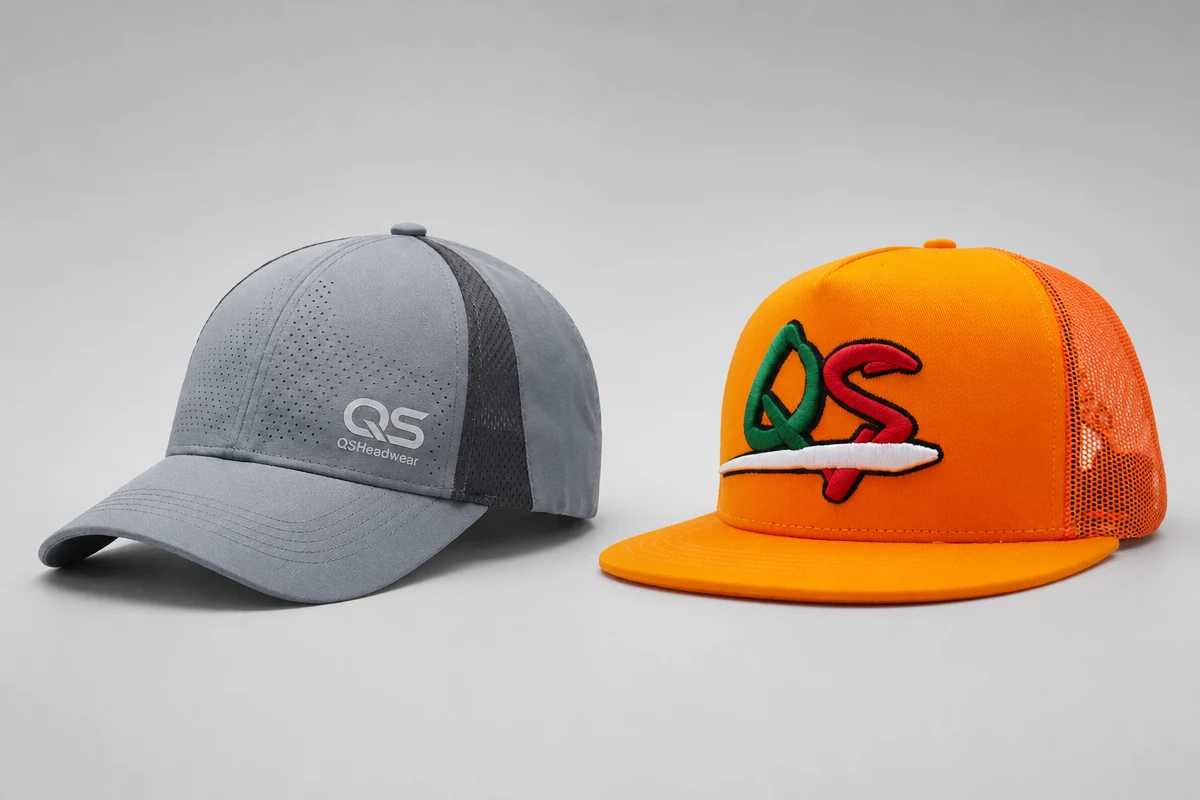
Laser perforation has changed what is possible here. Because the holes are cut precisely rather than woven in, a designer can place hundreds of small openings in a defined zone without a visible mesh panel interrupting the cap's lines. This keeps a clean surface for branding while still moving air. Our performance range uses laser-perforated front and side panels for exactly this reason.
Mesh Versus Perforation
Traditional mesh moves more air per square centimetre and costs less. Laser perforation looks more refined, keeps the shell visually continuous and suits brands positioning above the promotional tier. Neither is better in the abstract. A construction crew working outdoors in July benefits more from generous mesh; a premium running brand may prefer perforation for the cleaner aesthetic. Decide based on the wearer, then price the option.
Fit Stability During Movement
A cap that shifts is a cap the wearer stops wearing. Fit stability comes from three places: the closure system, the sweatband's grip, and how well the crown shape matches head geometry. Elasticated or fitted constructions hold better during high-intensity movement than an adjustable strap, which is why running and cycling caps often avoid snapbacks entirely.
Crown depth also matters and is frequently overlooked in tech packs. A shallow crown perches and lifts in wind; an overly deep one sits on the ears. Specify crown height as a measurement with a tolerance rather than describing it as "standard", because standard varies between factories and between markets.
Curved Versus Flat Brims for Sport
Curved brims dominate athletic categories because the curve shades peripheral vision and resists wind lift better than a flat panel. A flat brim catches air at speed. For any category where the wearer is moving quickly, this is a functional argument rather than a stylistic one.
Reflective Details and Low-Light Use
Runners, cyclists and outdoor workers frequently operate in low light, and a reflective element on the cap sits at a useful height for driver visibility. Reflective piping, printed strips or reflective thread in the logo are all achievable and cost relatively little at the point of manufacture.
Be careful about the claim you make. Adding a reflective detail improves visibility; it does not make the product certified high-visibility safety equipment. Formal high-visibility apparel is governed by standards such as ANSI/ISEA 107 in the United States and EN ISO 20471 in Europe, which specify background material area, retroreflective performance and garment configuration. Those requirements are written for garments rather than caps, so if you are supplying a workwear programme, confirm with the buyer what their site rules actually demand before promising compliance. Read the current standard text at its source, such as the ANSI overview of ANSI/ISEA 107, rather than relying on a supplier summary.
Decoration on Technical Fabrics
Technical fabrics are less forgiving than cotton twill under a needle. Lightweight synthetics can pucker around dense embroidery, and perforated panels cannot carry stitching across the perforated zone at all. This does not rule embroidery out, but it does mean artwork and placement need to be planned around the fabric rather than dropped onto it.
Three approaches work reliably. Keep embroidery moderate in density and place it on a solid panel. Use heat transfer or sublimation, which add no weight and no stiffness. Or use a small woven or rubber patch, which isolates the decoration from the shell entirely. Our embroidery capability page covers how stitch count and backing interact with different substrates.
Colourfastness and Washing
Performance caps get washed far more often than fashion caps, and they are exposed to sweat salts and UV. Both degrade colour. If your brand identity depends on an exact colour match across a range, raise this at sampling and ask how the fabric is dyed. Wash a sample before approving bulk. It is a cheap test that prevents an expensive disagreement later.
Sustainable Options in Technical Headwear
Recycled polyester behaves much like virgin polyester in a cap shell, which makes technical categories one of the easier places to introduce recycled content without changing the product experience. This matters commercially, because sports and outdoor buyers increasingly ask for it.
What you cannot do is claim it casually. Recycled content requires chain-of-custody documentation to be advertised in most Western markets, and the certification most buyers recognise for chemical safety is OEKO-TEX STANDARD 100. If sustainability is part of your positioning, build it into the specification from the first sample and see our eco-friendly headwear range for what is available. Retrofitting a claim after bulk approval is rarely possible.
Specifying a Performance Cap Properly
A vague brief produces a cap that satisfies no one. When you request samples, state the sport or activity, the climate, the expected session length, and whether the product will be sold at retail or issued as team kit. Those four facts drive most of the technical decisions.
Then specify concretely: shell fabric and weight, sweatband material, ventilation type and placement, closure system, crown height with tolerance, brim curve, decoration method and any reflective requirement. Sampling typically runs three to five business days once specifications are aligned, so a properly detailed brief costs almost nothing in time and removes most of the guesswork.
Finally, test the sample the way the customer will use it. Wear it, sweat in it, wash it. A performance product is the one category where a desk review genuinely cannot tell you what you need to know. If you also need to plan the wider range around this product, our production lead time guide explains how sampling fits into a launch calendar.
Frequently Asked Questions
Is polyester always better than cotton for sports caps?
For moisture management, generally yes. Cotton absorbs and holds sweat, while technical polyester moves it to the surface to evaporate. Cotton blends can still work for low-intensity or lifestyle-leaning products where feel matters more than drying speed.
Do laser-perforated panels weaken the cap?
Not when the perforation pattern and placement are engineered for the fabric. The perforated zone does need to be kept clear of stitching and high-stress seams, which is a design consideration rather than a durability problem.
Can a cap be certified high-visibility?
Standards such as ANSI/ISEA 107 and EN ISO 20471 are written primarily for garments, and site requirements vary. A cap can carry reflective detailing for visibility, but confirm the specific compliance requirement with the end buyer rather than assuming a cap satisfies a garment standard.
How much does a performance cap cost compared with a standard cap?
Technical fabric, laser perforation and reflective elements each add cost, but the difference depends on quantity and specification rather than a fixed percentage. Price the exact construction you intend to sell rather than comparing category averages.