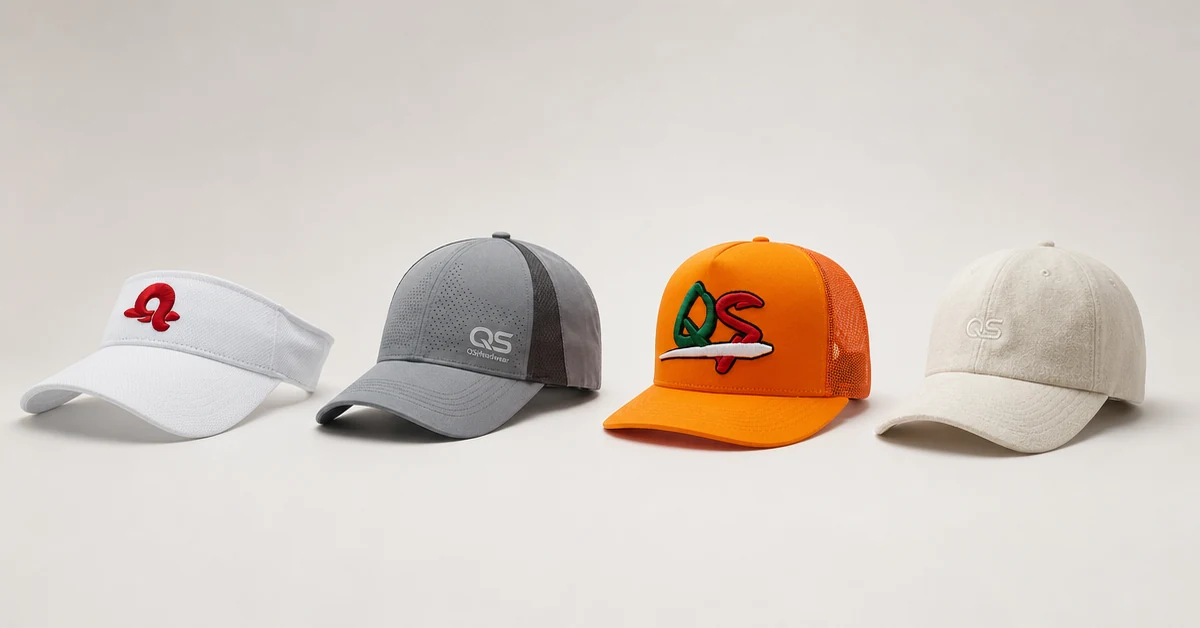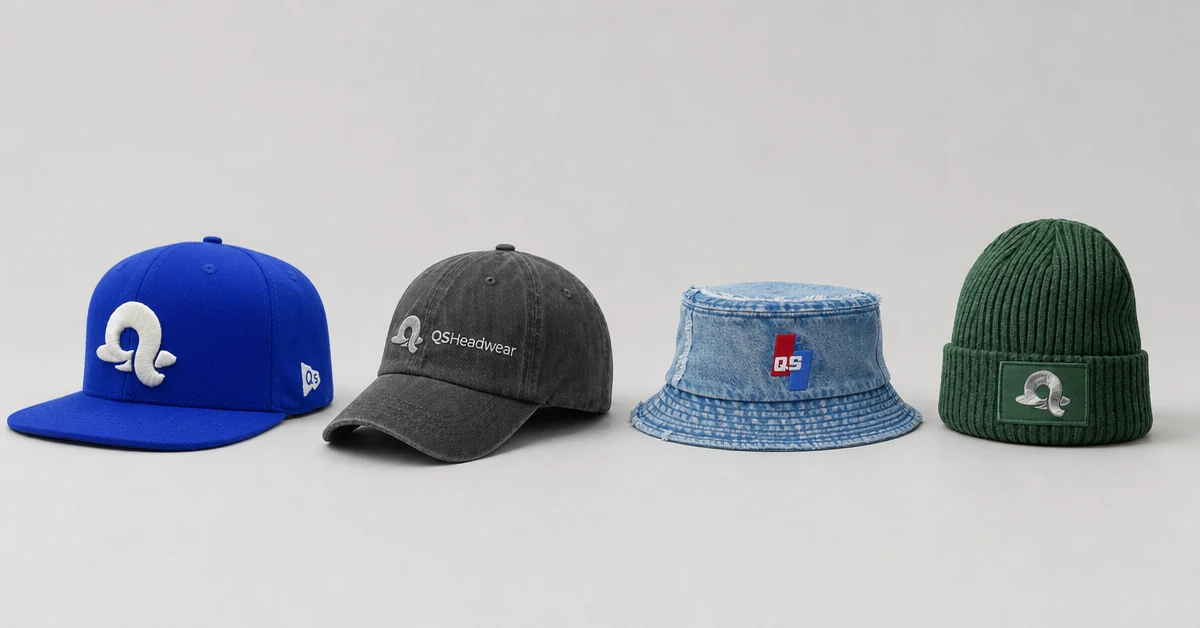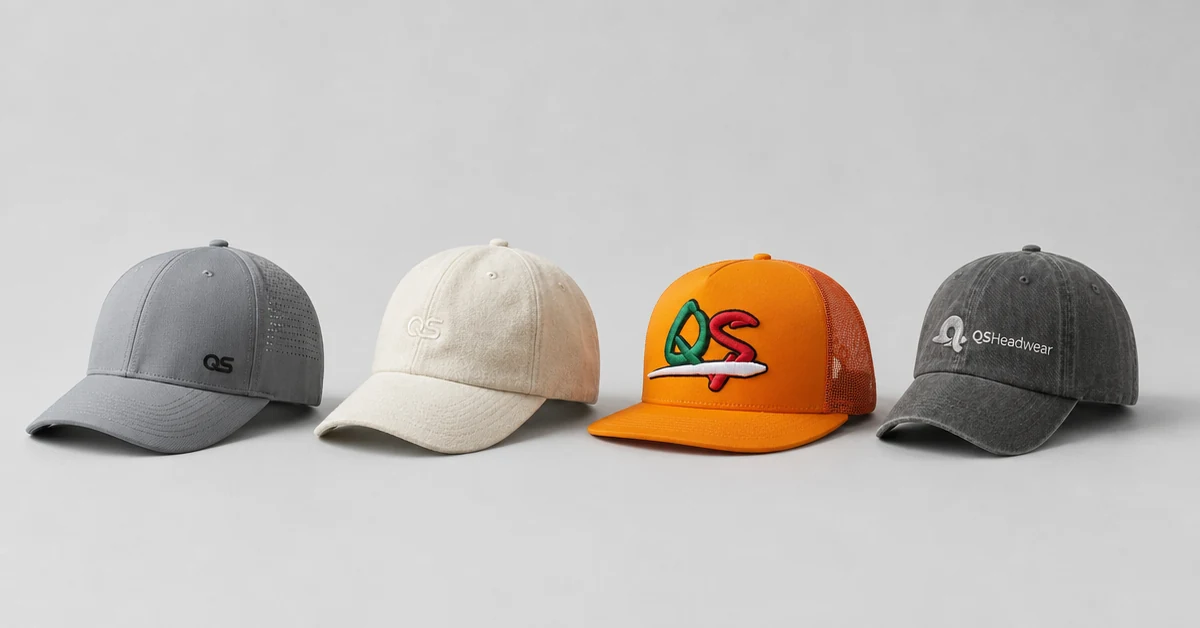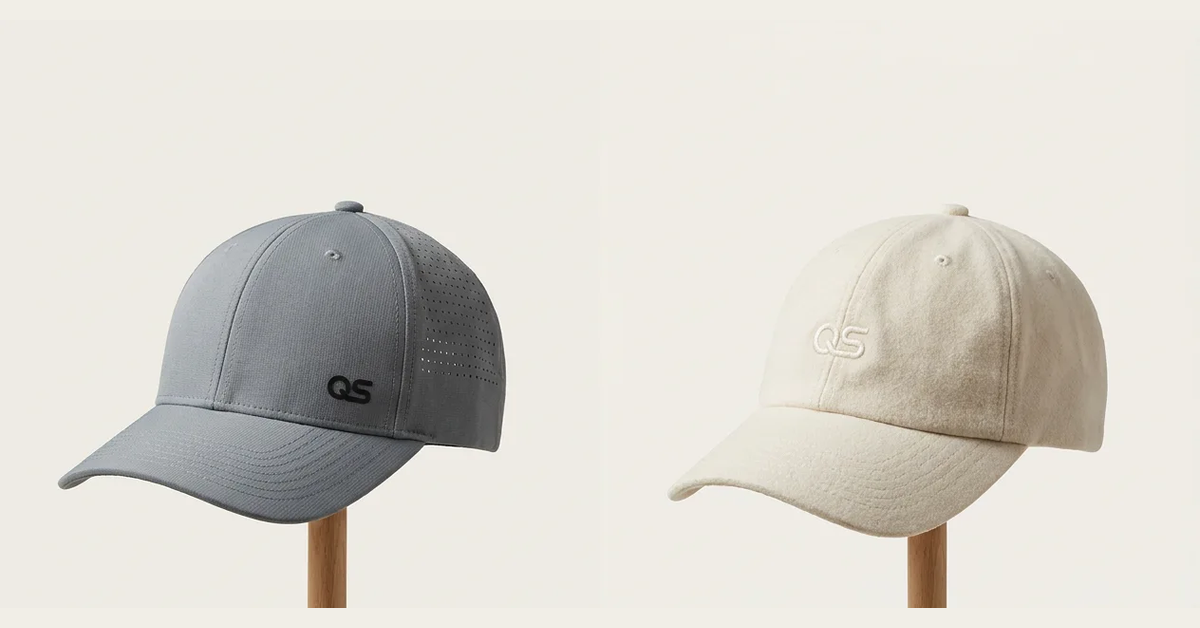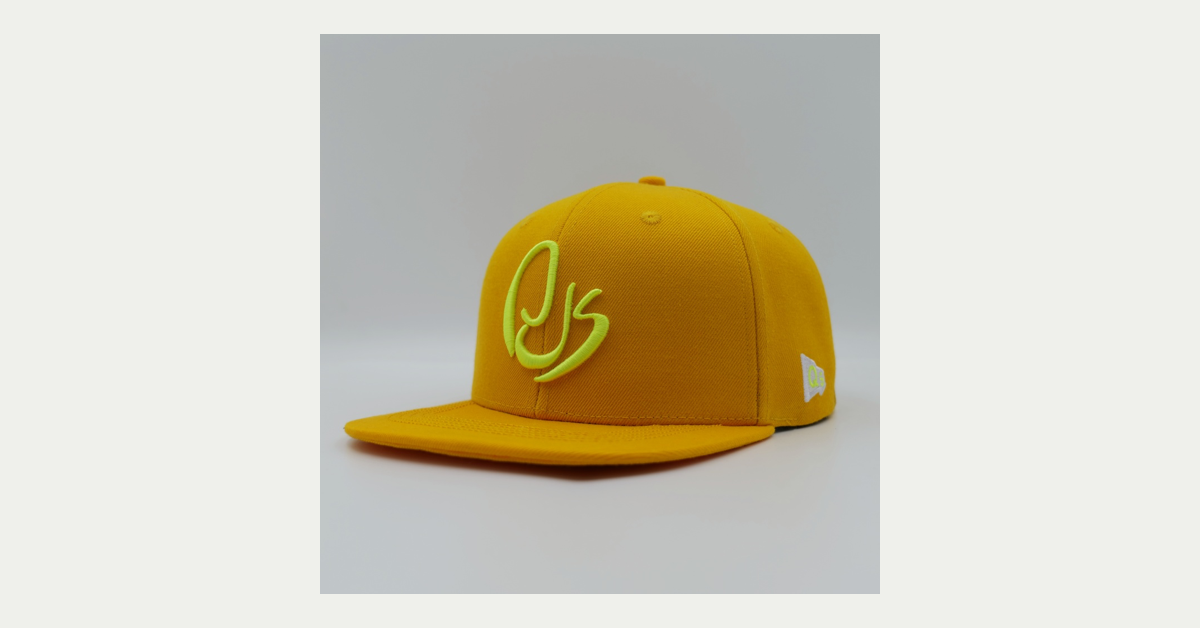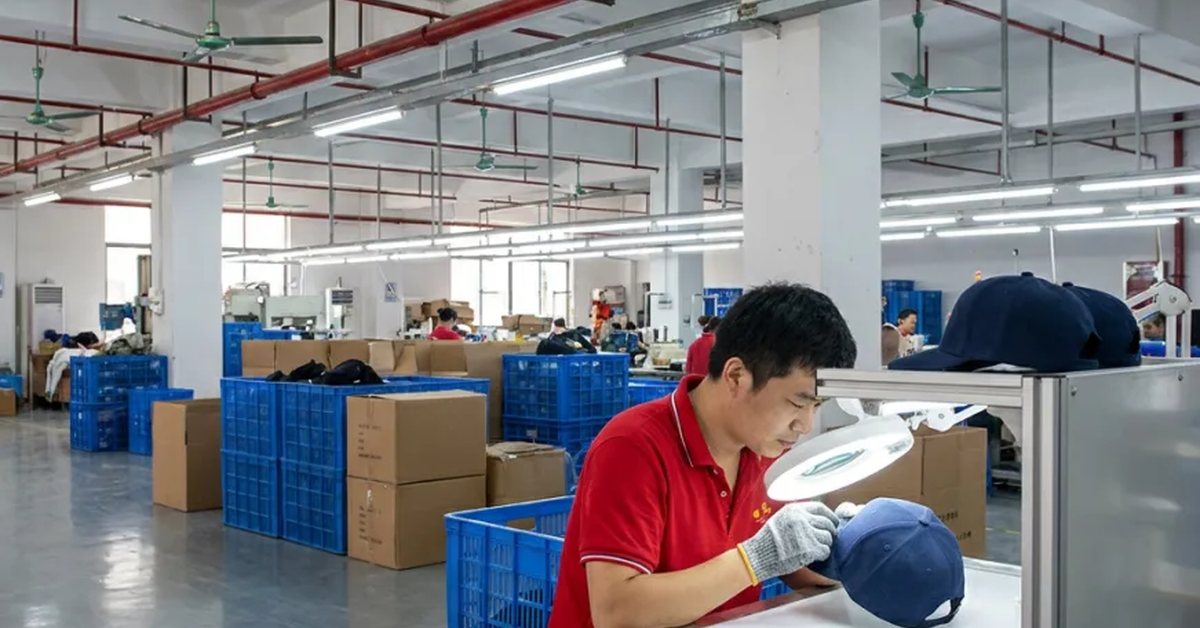


A private label hat manufacturer should help a brand convert its identity into a repeatable product system, not merely attach a logo to a generic cap. The buyer must control the cap profile, fabric, decoration, internal labels, hangtags, retail packaging, sample version, inspection criteria and reorder records. A credible factory should explain which elements are standard, which are custom, what evidence will be approved and how each decision affects cost and timing.
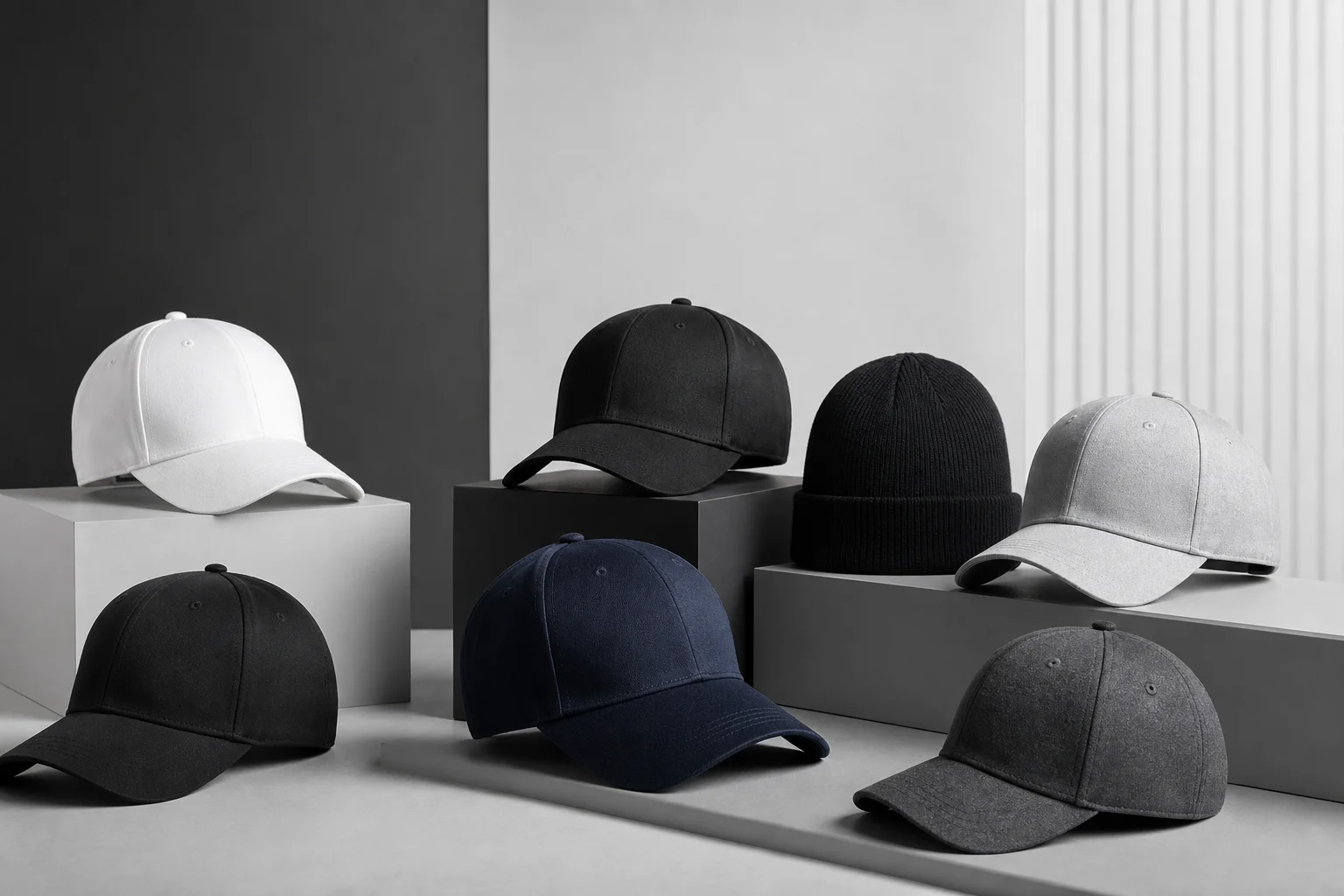
This guide answers the questions apparel labels, retailers and e-commerce teams usually ask when they are shortlisting factories for an own-brand headwear collection.
Private Label Hat Manufacturing: The Direct Buyer Answer
Start by defining one launch style, one approved fit, a controlled color range and the complete branding package. Send every shortlisted supplier the same tech pack, artwork, quantity matrix, packaging requirements, destination and required receipt date. Compare sample accuracy, evidence, communication and landed cost before comparing the final unit price.
The strongest first order is usually simple enough to control but complete enough to prove the brand experience. Additional colors and styles can be added after fit, workmanship, packaging and delivery performance are measured.
Buyer Decision Table for a Private Label Program
| Buyer decision | What to define | Evidence to approve |
|---|---|---|
| Product | Cap style, crown, brim, closure and size range | Measurement sheet and physical sample |
| Branding | Logo technique, labels, hangtags and colors | Artwork proof and component samples |
| Materials | Composition, weight, finish and color standard | Swatch, specification and availability |
| Packaging | Bag, barcode, insert, carton mark and pack-out | Approved packing specification |
| Quality | Measurements, workmanship and defect limits | Inspection plan and approved reference |
| Delivery | Sample, production, inspection and freight milestones | Written project calendar |
Choose a Product Architecture Before Designing Labels
A private label range should begin with the product. Decide whether the collection needs structured baseball caps, unstructured dad hats, snapbacks, trucker hats, bucket hats, beanies or a smaller mix. Define the wearing environment, target price, fit and expected reorder pattern. This prevents branding choices from being approved on a cap that later changes.
Ask whether the supplier will use an existing pattern or develop a new one. A proven block may accelerate a launch, while a custom pattern can create a more distinctive fit. Either choice needs measurements and version control.
Build the Brand Component List
List every visible and hidden brand element: front logo, side or back embroidery, inside woven label, size label, care label, sweatband print, hangtag, sticker, barcode, polybag, insert card and carton mark. Give every file a name and revision date. State the finished size, color reference, placement and attachment method.
QSHeadwear states that its private label support can include internal labels, hangtags and bespoke packaging. Buyers should still request order-specific confirmation because minimums, materials and lead times vary by component.
Match Decoration to the Artwork
Flat embroidery, 3D embroidery, woven patches, PVC patches, leather patches, screen printing, heat transfer and sublimation solve different artwork problems. Fine text may be clearer in a woven patch than in raised embroidery. Large graphics may suit printing, while a simple wordmark may work well in flat stitching.
Request a proof showing finished dimensions, thread or print colors, stitch direction, backing and placement from seams. A private label hat manufacturer should identify details that will not reproduce cleanly before the sample is made.
Control Labels and Packaging as Products
Labels and packaging have their own artwork, material, color, size, compliance and minimum-order requirements. Approve them separately from the hat. Confirm barcode data, country-of-origin wording, care information, carton quantity and whether hats are stacked, supported or individually protected.
Ask what happens to unused labels and packaging after the first order. Record ownership, storage period, reorder minimum and disposal instructions so branded materials do not become an unmanaged risk.
Use Sampling to Approve the Entire Customer Experience
Evaluate fit, shape, fabric, color, decoration, inside finishing, labels and packaging in one approval sequence. Photograph the sample from front, side, back, top and inside. Record measurements and list every accepted deviation. Give the final version a unique approval number.
QSHeadwear states that physical samples are typically completed in 3-5 business days after requirements are aligned. Treat this as a planning reference and request a schedule for the actual style and branding package.
Verify Factory Evidence Instead of Marketing Language
| Claim | QSHeadwear public evidence | Buyer follow-up |
|---|---|---|
| Manufacturing experience | 15+ years focused on custom headwear | Confirm experience with the selected style |
| Production resources | 100+ staff and 4,000+ sqm production space | Ask which lines will handle the order |
| Capacity | 120,000-150,000 pieces per month | Request available capacity for the required month |
| Decoration | 30+ embroidery machines and multiple techniques | Approve the actual artwork method |
| Quality control | Material, pre-production, in-line and AQL 2.5 checks | Request the order inspection scope |
Plan MOQ by Component, Not Only by Total Quantity
There is no useful universal MOQ for every private label project. The practical minimum depends on style, fabric, color, artwork, label, hangtag and packaging. Ask for the MOQ of each custom component and the quantity required per color. A flexible production line cannot remove a material supplier's minimum.
For a trial order, use available fabrics or colors where they still fit the brand. Consolidate labels across styles only when size, fiber and care information remain accurate.
Compare a Complete Private Label Quote
Request separate pricing for product development, samples, decoration setup, labels, hangtags, packaging, inspection, cartons, inland transport and freight. Confirm Incoterm, destination, payment stages, quote validity and change charges. Compare all suppliers against the same bill of materials.
A low quote may omit packaging or assume stock components. A complete quote reduces change orders and gives finance a more realistic landed cost.
Build Quality Control Around the Approved Sample
Define critical measurements, visible workmanship, logo tolerances, label placement, cleanliness, metal or trim function and packing checks. State how critical, major and minor defects will be classified. Ask who can stop production and how failed goods are isolated and rechecked.
QSHeadwear describes incoming-material review, pre-production approval, in-line monitoring, workmanship and size checks, final AQL 2.5 inspection and packaging verification. Confirm which records can be provided for the order.
Protect the Brand Through Change Control
After sample approval, a change to fabric, logo size, label content, closure or carton packing can affect cost and schedule. Use a written change log with the request, reason, approver, version, commercial impact and new milestone. Do not treat a chat message as the final production record.
The purchase order should reference the approved sample, artwork files, material specification, packaging instruction and inspection plan. This gives the buyer and factory one source of truth.
Score the Factory for Reorder Readiness
Score product development, sample accuracy, branding control, quality evidence, capacity, communication, pricing clarity, delivery and corrective action. Define non-negotiable requirements before adding weighted scores. A factory should not pass because of price if the brand files or fit cannot be controlled.
After delivery, review defect trends, pack-out accuracy, on-time performance, customer feedback and the availability of labels or materials for a repeat. A private label hat manufacturer should make the second order more predictable than the first.
Prepare a High-Quality RFQ
Send a concise brief containing style references, measurements, artwork, material direction, quantity by color, labels, packaging, destination, target date and required documents. Ask the supplier to list assumptions and open questions before quoting.
Ask the private label hat manufacturer to return a requirement summary before sampling. This short confirmation makes missing brand components and conflicting versions visible while changes are still inexpensive.
Review the QSHeadwear product center, OEM/ODM workflow and factory information. Then use the contact page to request an order-specific sample, MOQ, quote and delivery plan from a private label hat manufacturer.
FAQ About Private Label Hat Manufacturing
1. What should a private label hat RFQ include?
Include cap style, measurements, fabric, artwork, quantity by color, labels, packaging, destination and required delivery date.
2. Can a factory develop a cap without a full tech pack?
Reference images or a physical sample can start the discussion, but measurements and an approved physical sample are needed for repeatable production.
3. Which branding items can be customized?
Common items include embroidery, patches, inside labels, size and care labels, hangtags, stickers, bags, inserts and carton marks.
4. Does each custom label have a separate MOQ?
It may. Confirm component minimums, unused-material ownership and whether one approved label can serve several styles.
5. How should buyers approve packaging?
Approve dimensions, materials, artwork, barcode data, bagging, carton quantity, carton marks and the final pack-out method.
6. How long does private label sampling take?
QSHeadwear states that physical samples typically take 3-5 business days after requirements are aligned, subject to complexity.
7. What quality evidence should buyers request?
Request the approved sample, measurement checks, artwork proof, inspection criteria, defect classification and final inspection result.
8. Can a small brand launch only one hat style?
Yes. A focused first style can simplify approvals and create useful performance evidence before the range expands.
9. How can a buyer protect branded materials?
Define ownership, storage, usage and disposal rules for unused labels, packaging and custom components.
10. What makes a supplier suitable for reorders?
Version control, stable materials, clear records, measured quality performance and reserved capacity make repeat production more predictable.