

A brand working with a private label headwear manufacturer is buying a repeatable identity system, not only a blank hat with a name added. The internal label, care information, hangtag, barcode, packaging and product data have to agree with the physical cap or beanie. When those details are postponed until the end, a sample can look excellent while the launch file remains incomplete.
This guide is for clothing brands, retailers and ecommerce teams building a headwear range under their own label. It does not replace the labeling rules of the destination market. Treat legal and fiber-content requirements as a compliance review that must be verified for the actual product and market.
Define what private label means for this collection
Some buyers mean a known base style with a custom woven label. Others want a new crown, a private color program, branded packaging and a repeatable fit block. Write down which level you need. A supplier cannot price or sample a private label program accurately when the phrase covers five different expectations.
Set the brand hierarchy before the first artwork handoff: primary mark, secondary mark, collection name, size information and any campaign message. Decide which elements appear on the product, which belong on the packaging and which should not be stitched onto the hat at all. This keeps the front decoration from becoming a crowded substitute for a clear brand system.
Map every touchpoint from crown to carton
Walk through the product as a customer would. They may see an exterior patch, open a polybag, read an inside label, scan a barcode and later search for care advice. Create one content record for each touchpoint. The record should use the same style name, color name and SKU code throughout.
| Touchpoint | Decision to lock | Evidence before bulk |
|---|---|---|
| Exterior mark | Method, size, position and color relationship | Decorated sample from the intended viewpoint |
| Inside label | Brand mark, size, composition and attachment | Inside photo and physical label sample |
| Care information | Symbols, language and product-specific instructions | Approved care text reviewed for the actual build |
| Hangtag or sticker | SKU, barcode, price area and collection story | Flat artwork plus packed sample |
| Polybag or carton | Warning, quantity, SKU separation and protection | Pack-out trial with carton labels |
Do not use the artwork file as the only source of truth. A label that is correct in a PDF may be too wide for the seam, too stiff at the forehead or too dense to read after folding. Review the physical result and the data record together.
Labels have a comfort and construction footprint
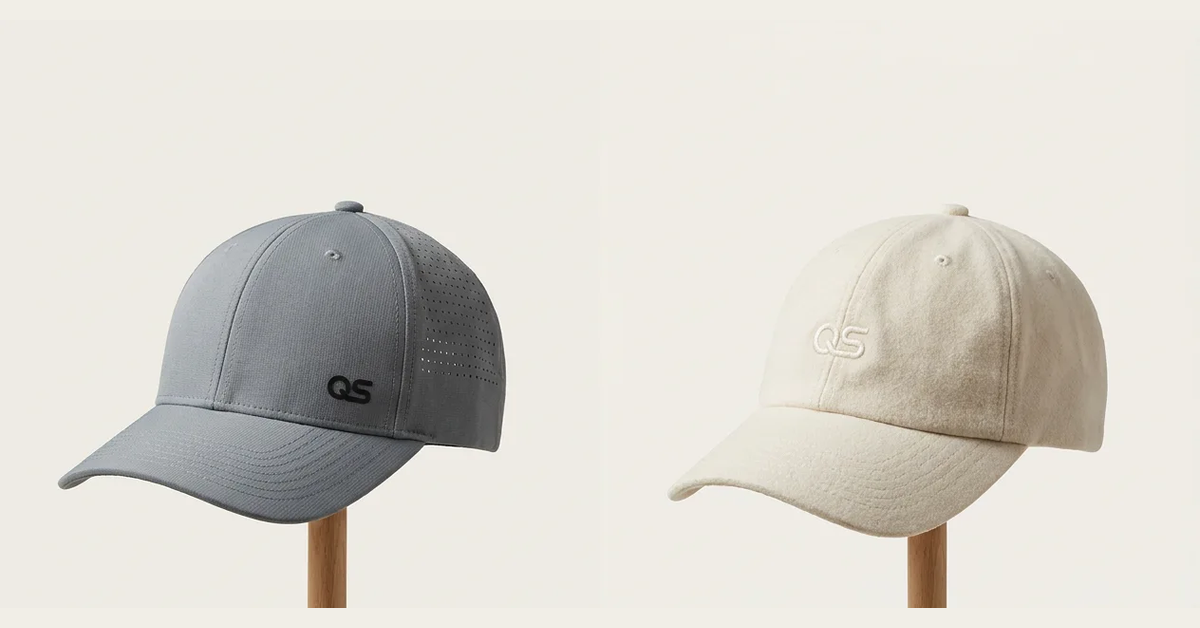
Choose a label material and attachment route with the wearer in mind. A woven label, printed label and heat-applied mark each create different edges, bulk and care questions. Put the label inside the actual cap or beanie, then check it at the intended fold, closure setting and wear duration. A label that feels fine on a flat sample may rub when the crown is compressed.
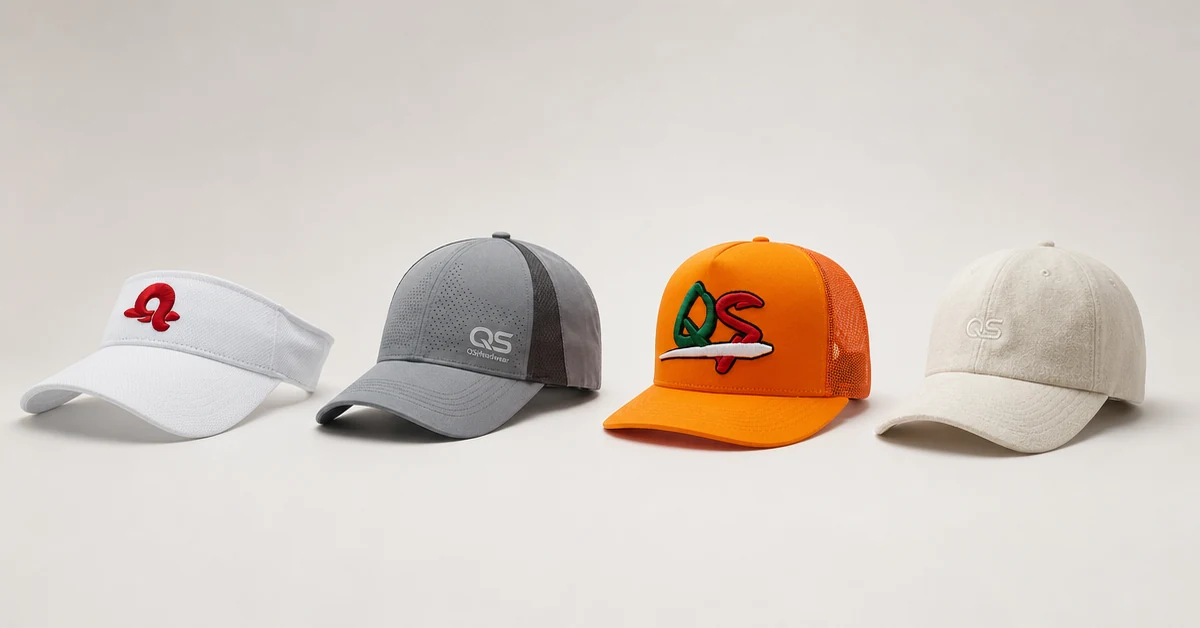
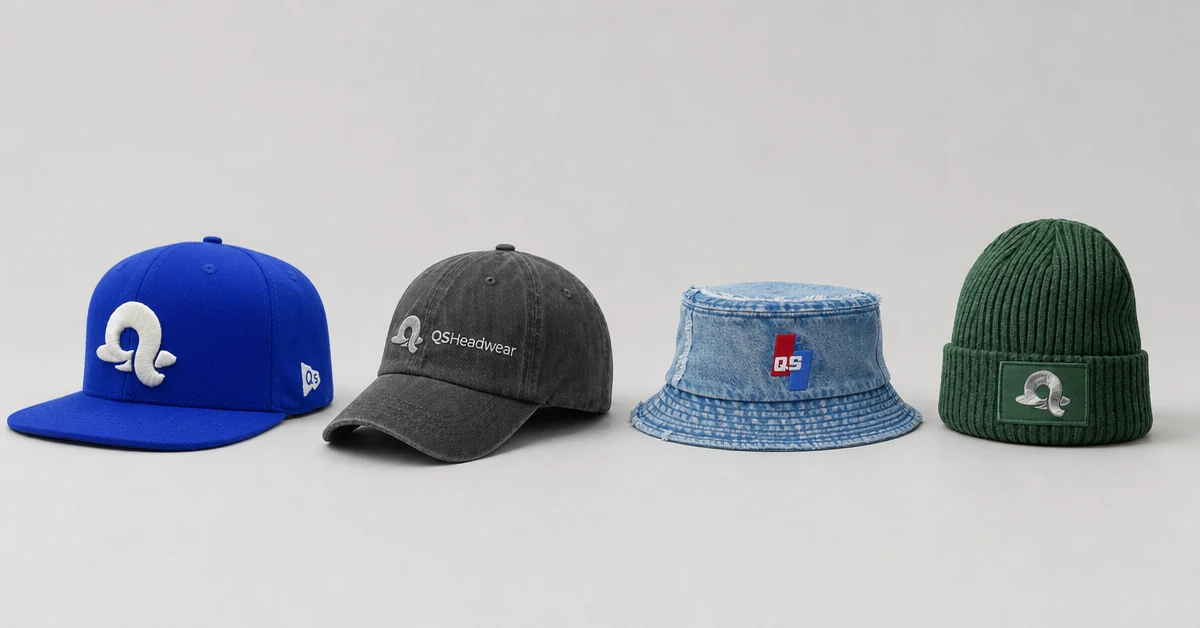
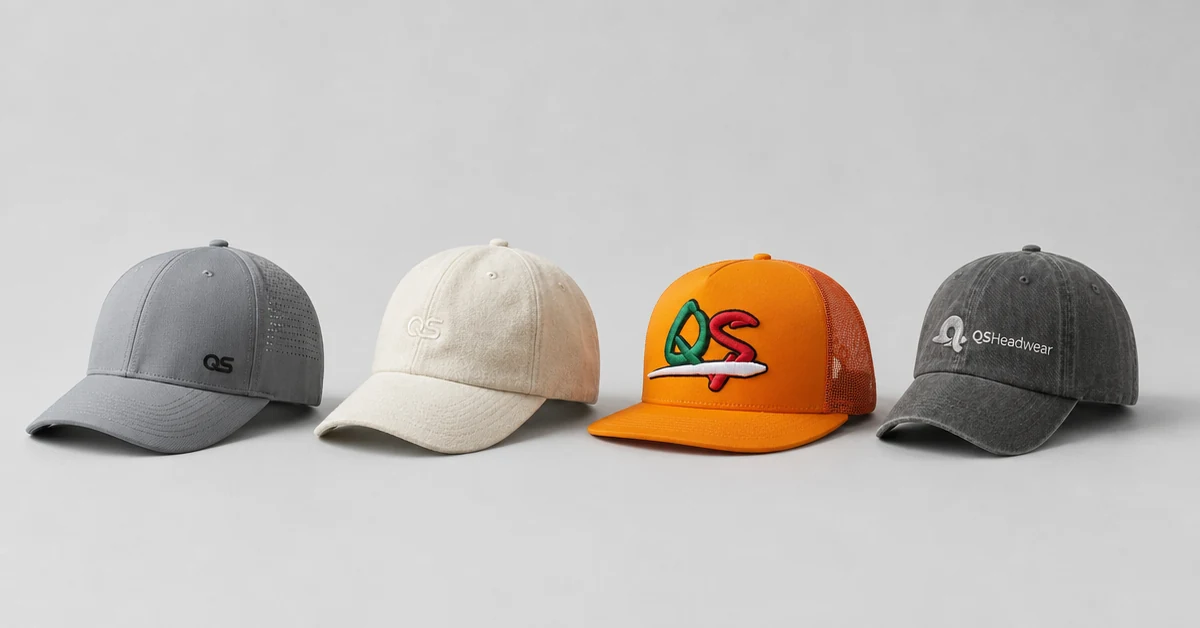
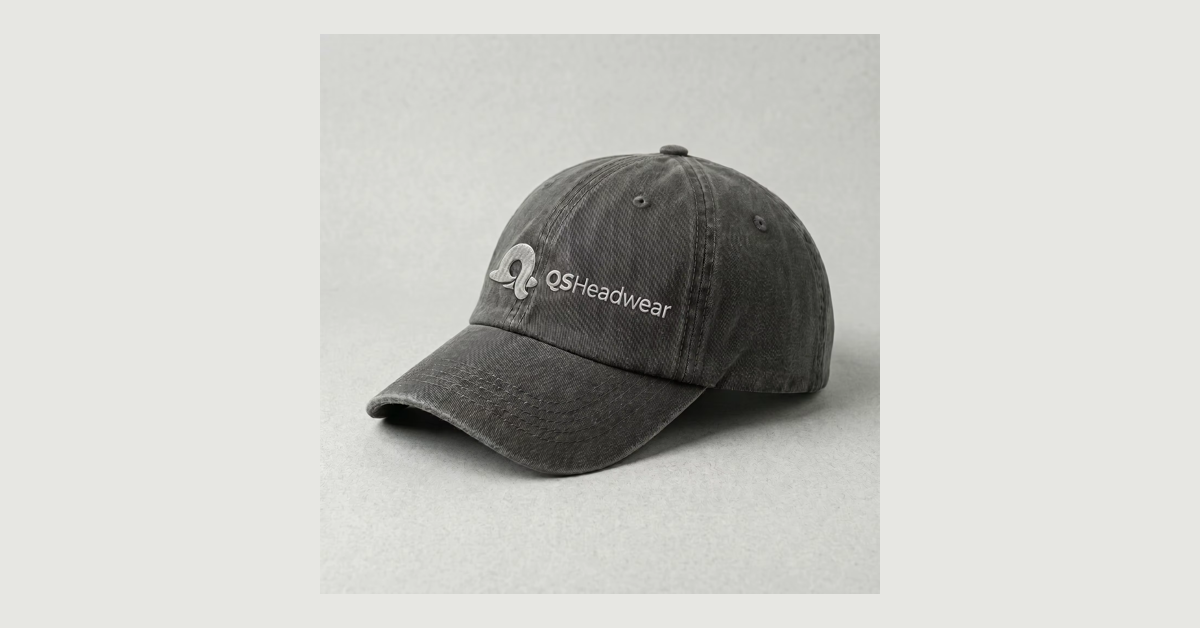
The QSHeadwear product collection shows cap and beanie options that can be developed with branding and finishing choices. Confirm the label position on the selected construction. Do not assume a label dimension from one style will transfer to every crown or seam.
Care data should describe the whole product
Care communication belongs to the finished product, not to the fiber name alone. A wool blend, a printed sweatband, an embroidered badge and a shaped brim may each affect the recommended route. Use GINETEX's care-labelling information as a reference for the international symbol system, then validate the instructions against the actual cap and any destination-market requirements.
Keep the care wording versioned. If the fiber blend, decoration or finish changes, reopen the care review. Never copy a care label from a similar-looking SKU just because the crown shape is familiar.
A private label range needs an information architecture
Build a simple SKU matrix before you order. Record style, material, color, size or closure, decoration, label revision, pack quantity and approved sample ID. This matters when one collection contains several silhouettes that share a logo but not a fit or care route.
| SKU field | Example decision | Why it protects a reorder |
|---|---|---|
| Style family | Six-panel cap, beanie or bucket hat | Stops the wrong base from being reused |
| Color reference | Physical swatch plus internal name | Separates color language from a screen value |
| Branding revision | Artwork and label dates | Prevents old files from returning to production |
| Pack rule | Units per bag and carton by SKU | Supports receiving and inventory accuracy |
| Approval ID | Sample code and date | Connects the reorder to the physical reference |
Decide where OEM ends and ODM begins
Private label does not automatically mean a completely new product. With an OEM route, the buyer may bring a reference, pattern direction or construction requirements. With ODM support, the supplier may propose a base style that is then branded and adjusted. QSHeadwear explains both routes on its OEM/ODM page. Record what is retained, what is changed and which files belong to the brand.
Ask for the development calendar to include label production, sample review, decoration, packaging and final inspection. A general lead time is not a launch plan. Your calendar should have an owner for every approval and a clear point after which a change creates a new sample.
Cost is not just the cap plus a label
Ask the private label headwear manufacturer to separate labels, tags, packaging, artwork adaptation, sampling and storage assumptions. Minimums may apply per style, color, label or packaging component. Surplus branded materials need an owner and a later-use plan. Otherwise, the apparent low unit price can hide a large first-order component commitment.
For bulk checks, use ISO 2859-1 as terminology for an acceptance-sampling discussion if appropriate. It does not decide whether your label is centered, your barcode scans or your product data is correct. Keep brand-specific inspection points in the purchase file.
What a private label headwear manufacturer should retain
Agree a retention pack before production closes. It should contain the approved complete headwear sample, final artwork, label and tag revisions, color or material references, the SKU matrix, packing photographs and the inspection record. Name who holds each item and how long it must remain available. A box of unidentified samples is not a useful archive.
For each reorder, the private label headwear manufacturer should be able to identify the agreed reference and flag any unavailable component. The buyer then decides whether a substitute is acceptable and which reviews must reopen. A similar label, closure or fabric should not enter production merely because it looks close in a message photo.
The brand should retain its own mirror file. Store the approval date, supplier reference, customer-facing SKU name, product-page copy and recurring comments from sales or returns. This connects market feedback to manufacturing decisions without allowing one isolated complaint to rewrite the specification.
A private label headwear manufacturer can also note which components have tooling, color or quantity dependencies. The record makes the commercial effect of a late change visible before it becomes surplus branded inventory.
Run one receiving rehearsal with a packed sample from the private label headwear manufacturer. Confirm that the carton mark, inner pack, barcode, hangtag and physical color all lead to the same SKU record. Photograph the opening sequence and note any step that could confuse a warehouse team. This practical check protects the brand system after the product leaves the factory.
Build the launch file with QSHeadwear
Review the QSHeadwear company profile, then send the collection map, label artwork, care-data assumptions, SKU list, quantities and target market through the contact page. A good first inquiry tells a private label headwear manufacturer which parts of the range are already decided and which need a development proposal.
Private label questions before sampling
What does a private label headwear manufacturer actually provide?
The scope can include base headwear, labels, decoration, packaging and development support. Confirm the exact inclusions rather than relying on the phrase private label.
Should I order labels before approving the cap?
Approve label size, material and position on the selected construction first. Bulk labels should follow a controlled artwork revision.
Can the same label work on caps and beanies?
Possibly, but check width, edge feel, attachment and readability on each construction.
Who owns the label artwork?
State ownership and revision control in the project file. Retain the master file separately from production adaptations.
How do I prepare a SKU list?
Include style, material, color, decoration, label revision, packaging, quantity and approval-sample ID for each SKU.
Are care symbols enough for a launch?
They need to match the actual product and market requirements. Review the complete construction and verify the destination rules.
What should packaging prove?
It should show protection, SKU separation, quantity, barcode or label accuracy and the approved presentation after handling.
Does a private label order require a custom pattern?
No. It can use an existing base or a developed construction. State which level of change your brand needs.
How should I compare OEM and ODM proposals?
Record the retained base, new brand details, files, sample gates, component assumptions and ownership for each route.
What should I send QSHeadwear first?
Send the range map, brand assets, product direction, intended market, quantities, label ideas, packaging needs and target calendar.