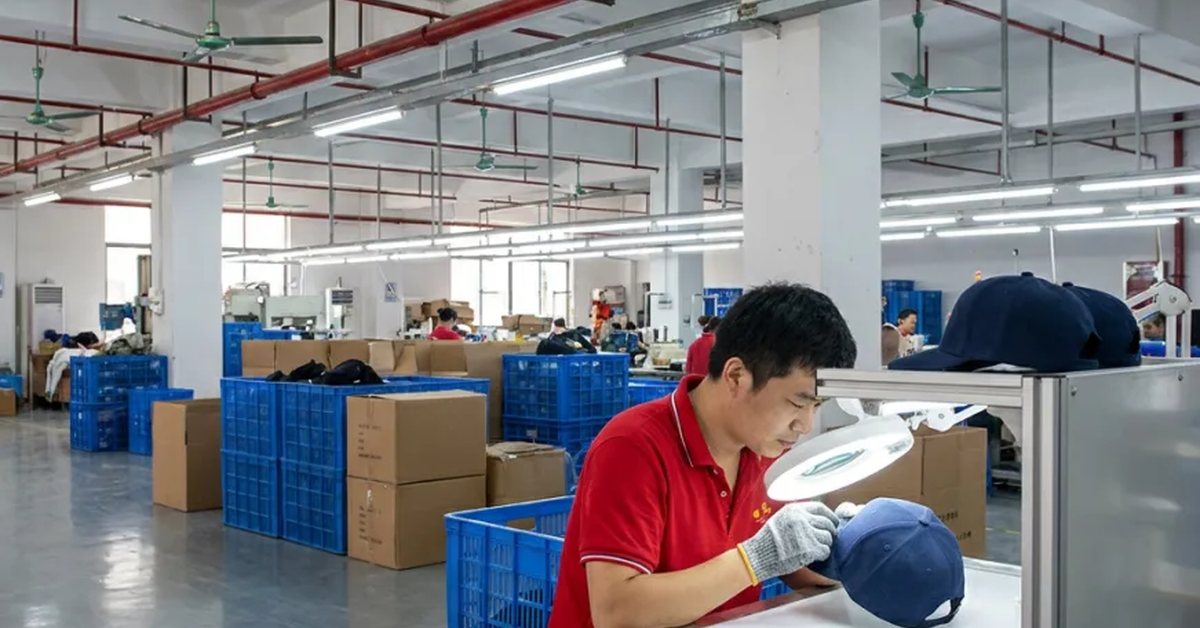


A recycled polyester caps manufacturer should explain what is recycled, where it is used, what documentation applies and how the material performs in the finished cap. A sustainability label is not a substitute for an order-level material specification. Buyers need to align fiber content, fabric construction, color, decoration, packaging and evidence before making a claim to customers.
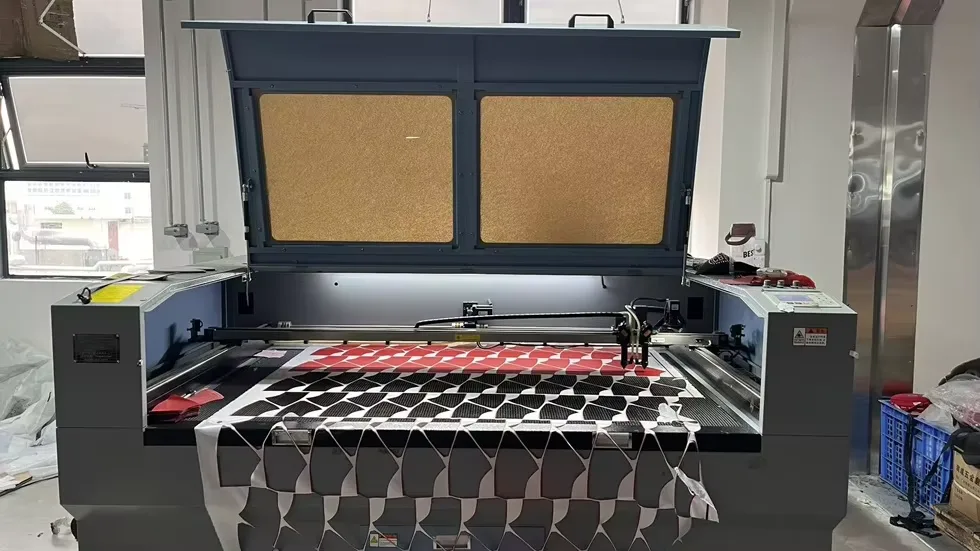
This guide helps brands, retailers and corporate buyers source recycled polyester caps without confusing a material preference with an unsupported certification claim.
Recycled Polyester Cap Sourcing: The Direct Answer
Define the required recycled content, fabric type, weight, finish, color and cap construction. Ask which documents apply to the selected material and order. Approve a physical swatch and finished sample, then verify performance, decoration, labeling, packaging and quality against the same specification.
Material Verification Table
| Question | Why it matters | Evidence to request |
|---|---|---|
| What is recycled? | Fiber, yarn, fabric or trim may differ | Material specification and supplier statement |
| What percentage is recycled? | Claim wording must match the actual order | Composition record and applicable certificate |
| Is the material available? | Custom sourcing can affect MOQ and timing | Swatch, color range and availability note |
| How does it perform? | Weight, hand feel, shade and strength affect use | Sample and relevant test information |
| Can it be repeated? | Reorders need stable material and color | Reorder plan and reserved or recurring source |
| How is it packed? | Packaging can support or undermine the claim | Pack-out and packaging material details |
Define the Material Before Choosing the Cap Style
Recycled polyester can be woven, knit, brushed, water-resistant or blended. The material's hand feel and structure influence whether it suits a running cap, outdoor cap, trucker panel, five-panel style or everyday baseball cap. State the use case, target season, fit and decoration before selecting a fabric.
A capable recycled polyester caps manufacturer should explain which cap blocks and decorations work with the material instead of presenting the fiber as the only decision.
Separate Material Preference From Certification
A recycled-content preference, a supplier declaration and a third-party certification are different evidence levels. If the buyer needs a named standard or claim, ask which certificate covers the exact material, supplier and order scope. If the document is not available, use more limited and accurate wording.
Do not place a certification logo or percentage claim on packaging until the responsible team has reviewed the supporting document. Keep the evidence with the purchase order and product copy.
Check Color, Finish and Decoration
Recycled fibers can have a different hand feel, shade response or surface appearance than conventional polyester. Confirm color references, finish, fabric weight and acceptable shade variation. Test embroidery, patches, screen printing, heat transfer or sublimation on the actual fabric.
Fine embroidery may need backing or density adjustment. A water-resistant finish may affect printing or bonding. Approve finished-size decoration rather than relying on a digital mockup.
Use Sampling to Verify the Finished Product
Review the cap shape, fabric, color, logo, label, closure, sweatband, seam quality and packaging. If the material is a substitute during early development, mark the difference and repeat the approval with the production material. Record fiber composition, weight, finish and swatch reference.
QSHeadwear states that its material and product options include RPET and other functional fabrics, but an order-specific availability and documentation check is still necessary for each color and construction.
Plan MOQ, Sourcing and Reorders
Recycled yarn or fabric may be available only in selected colors, widths or minimum quantities. Ask whether the fabric is stock, made to order or sourced after confirmation. Confirm lead time for lab dips, fabric purchase, decoration and bulk.
For a small launch, choose a material that can be repeated and limit color variations if that produces stronger evidence. Ask how leftover material and labels are handled between orders.
Quality Control for Recycled Polyester Caps
Define fiber content, fabric weight, shade, surface defects, colorfastness or performance requirements where relevant, cap measurements, decoration, closure function and packing. Quality control should verify that the material used in bulk matches the approved swatch and specification.
QSHeadwear describes incoming material review, pre-production sample approval, in-line inspection and final AQL 2.5 checks. Request the order-level checklist and the records that can be shared before shipment.
Make Packaging Support the Product Claim
Do not overpackage an eco-positioned cap with unnecessary plastic or a box that is not part of the brand experience. At the same time, packaging must protect shape, decoration and cleanliness. Define bags, inserts, labels, carton quantity and materials together.
Ask for pack-out photos or approve a physical carton test. Record whether packaging materials carry separate recycled or recyclable claims and what evidence supports them.
Compare Sustainable Cap Quotes Responsibly
Request separate lines for material, cap construction, decoration, labels, packaging, sample, testing, inspection, cartons and freight. State the required evidence and destination. A recycled material can change price and MOQ, but a complete comparison also shows the cost of quality and documentation.
Build a Defensible Product Story
Use precise language that matches the material and evidence: identify the fiber, the product component, the percentage if confirmed and the document scope. Avoid broad claims such as "zero impact" or "fully sustainable." Product teams, buyers and customers should be able to trace the statement back to an order record.
Keep Material Evidence With the Product File
Store the approved swatch, composition, supplier statement, certificate reference if applicable, color record, artwork and packaging copy in one product file. When a reorder starts, compare the new material lot against that file and record any approved difference. This practice helps customer service answer questions without guessing and keeps future marketing copy aligned with the actual product.
Request Recycled Polyester Options From QSHeadwear
Send cap style, fabric preference, recycled-content requirement, color, finish, artwork, quantity by variant, packaging, destination and target date. Review the OEM/ODM service page, product center and company information. Use the contact page to request a material swatch, documentation review, sample, MOQ and quote from a recycled polyester caps manufacturer.
FAQ About Recycled Polyester Caps
1. What should recycled polyester cap buyers verify first?
Verify the recycled component, percentage, material specification, document scope, availability, color and finished cap performance.
2. Is recycled polyester the same as a certification?
No. Fiber content, supplier statements and third-party certifications are different evidence levels and should not be treated as interchangeable.
3. Can recycled polyester be used for all cap styles?
It can suit many styles, but weight, weave, finish and structure should be matched to the intended cap and use case.
4. Can recycled polyester caps be embroidered?
Often, but test the actual fabric and adjust backing, density or placement if the surface is lightweight or flexible.
5. Does recycled fabric have a separate MOQ?
It may. Confirm minimums by fabric, color, finish and supplier source as well as the sewing quantity.
6. What documentation supports a recycled-content claim?
The appropriate material specification, supplier record and any applicable certificate for the exact material and order should be reviewed.
7. How long does sampling take?
Sampling depends on material availability and decoration; request an order-specific plan after the fiber and fabric requirements are confirmed.
8. What quality checks matter for recycled polyester caps?
Check fiber and fabric match, weight, shade, surface, measurements, decoration, closure, workmanship and pack-out.
9. How should sustainable packaging be planned?
Specify protective needs first, then choose the simplest packaging that meets product, retail and evidence requirements.
10. How can a brand avoid greenwashing?
Use narrow, evidence-backed statements tied to the actual material and order, and avoid unsupported absolute claims.