

Choosing a sustainable headwear manufacturer requires more than selecting a recycled-looking fabric or adding an environmental phrase to a product page. Buyers should connect the material composition, approved supplier documents, production scope, labels, packaging, quality controls and customer-facing claim. A responsible sourcing process states what is verified, what remains subject to order confirmation and what the buyer must communicate accurately.

This guide is for fashion brands, retailers, corporate buyers and e-commerce teams that want a practical sustainability review without making unsupported certification claims.
Define the Sustainability Requirement Precisely
“Eco-friendly” can refer to fiber content, recycled input, organic agriculture, reduced packaging, durability, production chemistry or a combination. Write the specific requirement first: for example, a percentage of recycled polyester, an organic cotton option, reduced plastic packaging or a document needed for a market claim.
| Requirement | What to define | Evidence to request |
|---|---|---|
| Recycled material | Fiber type, percentage and order scope | Material specification and applicable certificate |
| Organic fiber | Fiber content, color and supplier chain | Valid documentation for the selected input |
| Durability | Expected use, care and replacement risk | Test method, sample result or product specification |
| Packaging | Bag, label, carton and recycled content | Pack-out specification and material record |
| Claim wording | What can be stated publicly and where | Order-level supporting documents |
Ask What the Material Actually Contains
Request composition, weight, finish, color process, supplier and availability. A product described as recycled may contain a blend, while a recycled trim may not mean the whole product is recycled. Record the percentage and whether it applies to the cap body, mesh, closure, label, thread or packaging.
If the buyer needs a specific standard or certificate, state the exact requirement and intended market. Ask whether the document covers the factory, material supplier, transaction, product or chain of custody. Do not assume that a factory-level document automatically validates every order claim.
Review the Tradeoffs of Each Fabric
Recycled polyester can support a different performance and care profile from cotton. Organic cotton may have a different hand feel, color process and minimum. Wool blends, recycled yarns and plant-based options require their own specifications. A material should be judged on use, durability, fit, decoration, care and availability as well as environmental positioning.
Ask the factory to propose alternatives only when the composition and performance are clearly stated. A substitution can change color, shrinkage, stitch appearance, cost and customer care instructions.
Check Traceability and Document Ownership
- Name the legal supplier and material producer where available.
- Record document title, issuer, scope, validity and covered material.
- Match the document to the purchase order and selected color or fabric.
- Keep approved material swatches and specifications with the sample.
- Define who may approve a substitution and how it is recorded.
A useful due-diligence folder separates verified facts from marketing language. It also makes future reorders easier because the team can confirm whether the same material and document scope remain available.
Do Not Ignore Durability and Product Life
A material choice that creates early failure, poor fit or color loss may increase replacement and return risk. Test the product in the intended use: wear, adjustment, decoration, washing, storage and packing. Record the test conditions and limitations. Sustainability is not only a fiber claim; it also includes whether the product performs as expected and can be reordered consistently.
For branded headwear, decoration and labels should be included in the durability review. A cap body may remain usable while a peeling transfer or loose patch makes the product unacceptable.
Review Decoration and Packaging Impacts
Embroidery, patches, printing, heat transfer and finishing add materials and processes. Ask whether the selected technique is suitable for the fabric and target life. Packaging can also change the footprint and cost: individual bags, tissue, hangtags, cartons and retail-ready components should be listed separately.
Request a pack-out proposal that protects shape and presentation without adding components that the sales channel does not need. Any recycled packaging claim should be tied to a material specification and order scope.
Evaluate Factory Process and Quality Controls
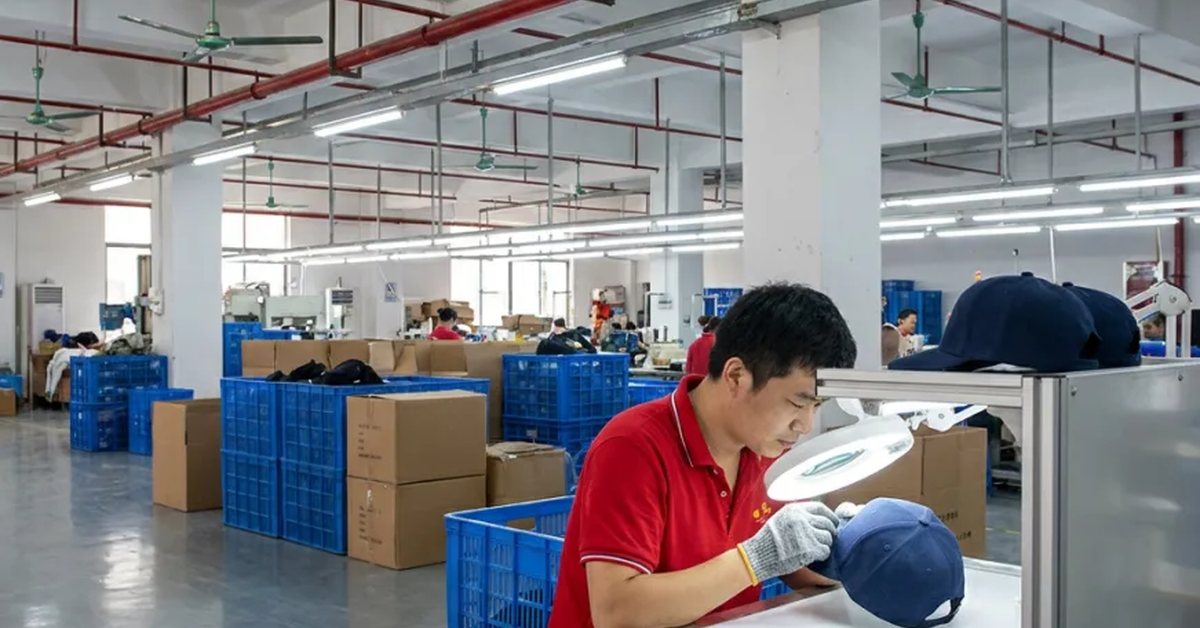
Ask how incoming materials are checked, how the approved sample is released, how color and composition are identified, how production changes are controlled and how defects are corrected. A material claim is not useful if the wrong fabric can enter production unnoticed.
QSHeadwear describes material inspection, pre-production sample approval, in-line monitoring, workmanship and dimensional checks, final AQL 2.5 inspection and packing checks. Confirm which checkpoints and records will apply to the sustainable material program.
Compare MOQ, Cost and Availability
Sustainable or specialty materials may have different minimums, color choices, lead times or price. Ask for the minimum by fabric, color, style and total order. Compare a stock option with a custom-developed option and identify what happens to unused material or labels.
Keep the sustainability requirement visible in the quotation. A low price that removes the specified material or document is not a valid cost comparison. Ask for separate lines for sampling, material testing, labels, packaging, inspection and freight.
Build a Material Due-Diligence Scorecard
Score each candidate on material evidence, document scope, traceability, product durability, quality controls, packaging, quantity flexibility, communication and claim discipline. Define which items are mandatory before a supplier can pass. A missing document or unclear composition should remain an open risk, not be averaged away by a low price.
Ask the same questions of every finalist and store the answers with the quote, material swatch and sample. A sustainable headwear manufacturer should distinguish what is verified for the current order from what is merely available as a possible option.
Control Substitutions and Claim Changes
Material availability can change after sampling. Require written approval before a supplier substitutes fabric, yarn, label or packaging. The change record should name the original and proposed material, composition, document scope, cost, schedule and customer-facing claim impact.
Review product pages, hangtags and sales copy whenever a component changes. This prevents a previous order's wording from being reused for a new material with different evidence.
Measure the Program After Delivery
Review material compliance, product performance, decoration durability, packaging accuracy, defect rate, on-time delivery and customer feedback. Record whether the sustainability requirement was met as specified and whether the documents were available when needed.
Use the findings to improve the next brief, choose a more durable material, simplify packaging or adjust the verification process. A responsible program is strengthened by measured follow-through, not a single launch statement.
Set a Reorder and Renewal Review
Before a seasonal reorder, confirm that the material, certificate, supplier, packaging and approved claim are still current. Ask whether the same fabric lot, color and documentation remain available. If the program changes to a new material, repeat the review rather than carrying forward an old approval.
Keep a renewal date for important documents and assign an owner to check them. This makes the sustainable headwear manufacturer review an ongoing control instead of a one-time launch exercise.
Use Accurate Customer-Facing Language
Marketing copy should match the verified product and order. Avoid broad statements such as completely sustainable, zero impact or certified when the evidence only supports a narrower claim. State the material, percentage, scope and any limitations in language a customer can understand.
Keep the approved wording with the product specification and retailer information. If a supplier document expires or a material changes, review the claim before the next production run.
Review QSHeadwear for Responsible Options
QSHeadwear presents options including recycled polyester, organic cotton, wool blends, suede, corduroy and functional fabrics. Review the OEM/ODM process and ask which materials, documents and order-level claims are available for your project. The product center helps connect material choices to cap styles.
Send the required composition, certificate scope, artwork, quantity, packaging, destination and target date through the contact page. A sustainable headwear manufacturer should be evaluated on the same evidence and quality criteria as every other supplier.
FAQ About Sustainable Headwear Manufacturer
1. What makes a headwear supplier sustainable?
It depends on verified materials, process controls, documentation, product durability, packaging and accurate claims rather than one label.
2. Is recycled polyester enough to make a product sustainable?
It is one material attribute. Review percentage, documentation, durability, production and the complete product scope.
3. What documents should I request?
Request the material specification and applicable current certificates or transaction documents for the selected input and order.
4. Can organic cotton be used for custom caps?
It may be available, subject to fabric, color, minimum, documentation and project confirmation.
5. How should I verify a recycled claim?
Match the claim to fiber percentage, material supplier, document scope, validity, purchase order and finished product specification.
6. Does sustainable material change MOQ?
It can change minimums, color options, procurement time and price. Ask by style, fabric and color.
7. Should packaging be part of the sustainability review?
Yes. List bags, tissue, tags, cartons and recycled-content claims separately and confirm the required pack-out.
8. Why does durability matter?
A product that fails early can increase replacement, return and waste risk. Test the intended use and care.
9. Can I say my cap is eco-friendly?
Use precise wording supported by order-level evidence and avoid broader claims than the documents support.
10. How do I request sustainable material options?
Send the composition, documentation, quantity, color, packaging and destination requirements through the contact page.