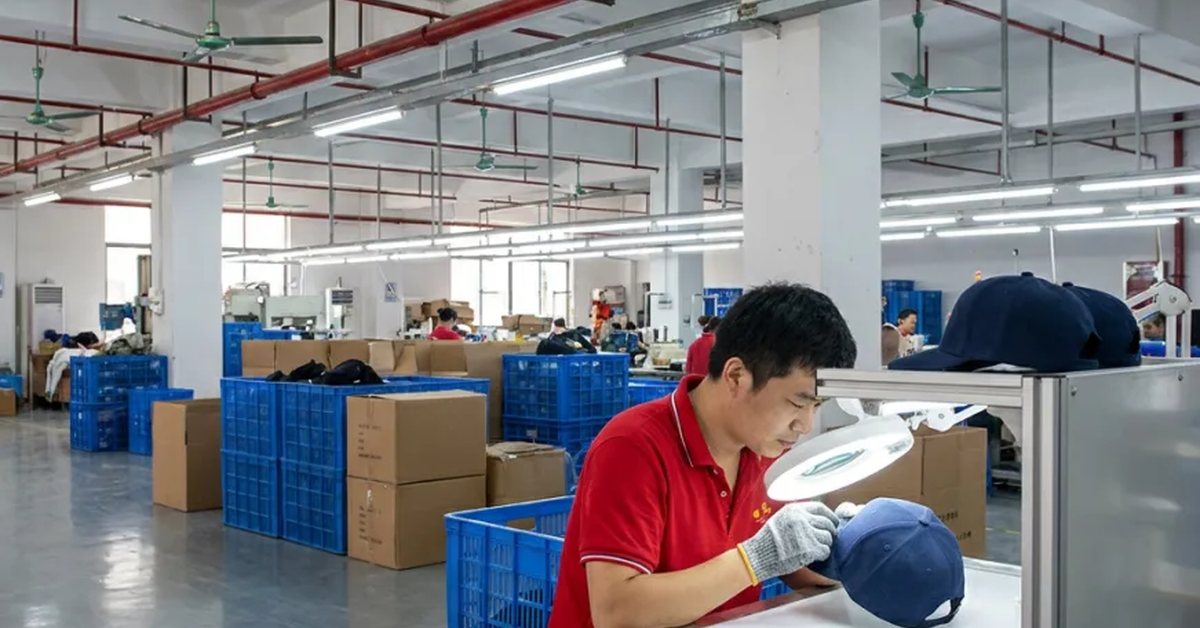


Understanding how to choose hat manufacturer partners requires evidence from the same product brief, not a comparison of websites or unit prices alone. Once a buyer has a qualified shortlist, the best-fit supplier is the one that can reproduce the approved specification, communicate changes, control quality and deliver at the required scale.
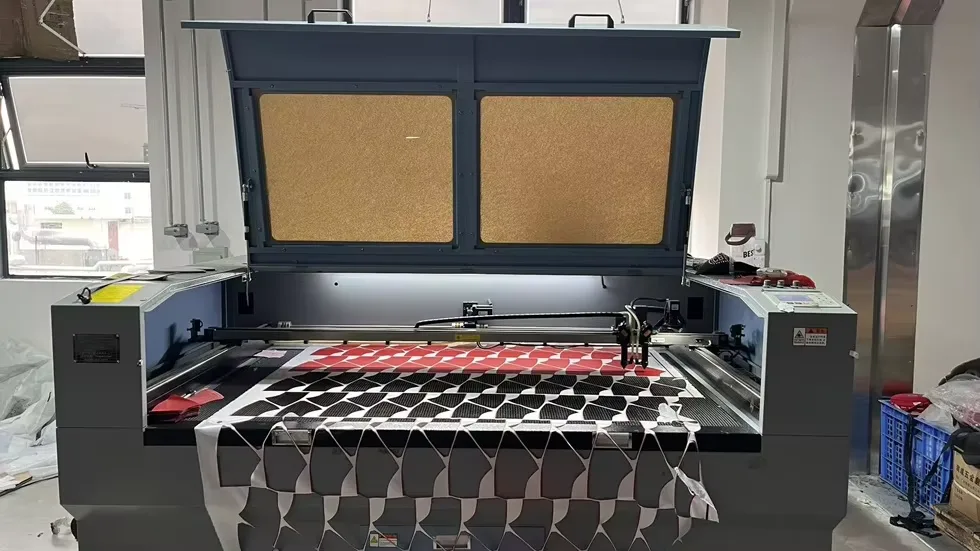
This scorecard helps brands, retailers and distributors compare finalists transparently and document why one partner is selected.
Weighted Hat Manufacturer Scorecard
| Evaluation area | Suggested weight | Evidence |
|---|---|---|
| Technical and product fit | 20% | Specification review and relevant production |
| Sample performance | 20% | Fit, measurements, decoration and workmanship |
| Quality system | 15% | Inspection plan, records and corrective action |
| Capacity and delivery | 15% | Production plan, milestones and contingency |
| Commercial clarity | 15% | Comparable quote, terms and cost breakdown |
| Communication and change control | 10% | Clear questions, confirmations and revision records |
| Compliance and supply-chain fit | 5% | Relevant documents and market experience |
Adjust weights to match the order. A licensed retail program may place more weight on compliance, while a design-led launch may prioritize development.
Give Every Finalist the Same Specification
The request should define cap structure, materials, colors, measurements, logo files, decoration dimensions, labels, packaging, quantity by SKU, inspection and delivery terms. If suppliers quote different assumptions, the scorecard is not comparing the same product.
Issue clarification updates to every finalist. Record exclusions and approved alternatives.
Evaluate the Questions a Supplier Asks
A strong technical response identifies missing information, production risks and decisions that affect cost or lead time. The supplier should distinguish stock and custom materials, explain decoration constraints and confirm how the sample will be judged.
Score the quality of clarification, not merely response speed. Repeated agreement without technical discussion can hide assumptions.
Use the Sample as a Capability Test
Review fit, silhouette, symmetry, measurements, fabric, brim, closure, seams, eyelets, decoration, internal branding and packaging. Compare the sample with the specification, not with memory. Record deviations and whether the supplier detected them first.
A good sample does not prove bulk consistency, but it shows development control and establishes an approval reference.
Score Revision Handling, Not Only the First Sample
Product development often includes corrections. Evaluate whether the supplier understands comments, updates files, explains consequences and prevents old versions from returning. One fast sample followed by uncontrolled revisions is a risk.
Use numbered comments and revision dates. Ask the supplier to confirm each action before remaking the sample.
Examine Quality Control in Practical Terms
Ask who checks incoming material, first pieces, inline production, measurements, appearance and packing. Define the final sampling plan and defect categories. Request a sample inspection record or anonymized example.
ISO 2859-1 can support acceptance sampling by attributes, but the buyer must still define critical, major and minor defects for the cap. Quality promises without criteria cannot be scored.
Verify Capacity Against the Order Calendar
Monthly capacity is useful only when connected to the required style, quantity and period. Ask what production slot is available, which operations are bottlenecks and how peak-season demand is handled. Note outsourced processes.
A smaller factory may be appropriate for a focused development order; a larger factory may be better for repeated volume. Match scale rather than assuming bigger is always safer.
Compare Quotes on a Landed-Cost Basis
Align materials, decoration, labels, packaging, inspection, sample fees, tooling, freight terms and price validity. Separate product price from one-time charges. Model freight, duty and destination costs under the same Incoterm.
The lowest unit price should not automatically win. Include likely cost of defects, delays, excess inventory and communication effort.
Assess Communication and Ownership
Identify who owns product development, order coordination and quality decisions. The contact should provide clear summaries, maintain files and escalate risks. Time-zone differences are manageable when response expectations and approval owners are defined.
For how to choose hat manufacturer decisions, communication should be scored through actual sample and quote work rather than interview promises.
Review Compliance and Documentation Scope
Requirements depend on product, material, buyer policy and destination. Ask for documents relevant to the actual facility, material or process. Check company names, dates, scope and validity. Do not request generic certificates without knowing why they are needed.
Confirm labeling, fiber information, packaging warnings and market requirements with qualified advisers where necessary.
Run Reference Checks With Specific Questions
When references are appropriate, ask about similar products, order scale, sample accuracy, bulk consistency, delivery reliability and response to problems. A general statement that the supplier is good provides little insight.
Respect confidentiality. Independent inspection results and your own controlled sample may provide stronger evidence than named customer claims.
Use a Small Controlled First Order
If commercial conditions allow, begin with a quantity that tests production, inspection, packing and delivery without exposing the full program. Keep the specification and approval controls used for future scale.
Review defects, timing, communication and receiving results after delivery. Update the supplier score with actual performance.
Set Decision Gates and Non-Negotiables
- Legal and payment verification completed.
- Critical product requirements accepted.
- Sample approved against specification.
- Quality criteria and corrective action agreed.
- Production and delivery calendar confirmed.
- Quote and trade terms comparable.
- Packaging and labeling approved.
- Change-control owner identified.
A supplier should not pass because the average score is high if a critical safety, legal or product requirement fails.
Document the Final Selection
Keep the scorecard, sample review, quote comparison, risks, approvals and negotiation summary. Record why the selected manufacturer fits the project and which risks require monitoring. This supports internal approval and future supplier reviews.
A disciplined record turns how to choose hat manufacturer from a subjective preference into a defensible sourcing decision.
Calibrate the Scorecard Before Using It
Define what scores of one, three and five mean for every criterion before reviewers assess suppliers. A top quality-control score might require documented checkpoints, measurable tolerances, defect records and corrective action. A middle score may show an established process with incomplete evidence. A low score may rely mainly on verbal assurance.
Ask product, quality, sourcing and logistics stakeholders to review the weights. A launch with complex embroidery may prioritize development and decoration, while a replenishment program may emphasize capacity, consistency and delivery. Fixed definitions reduce generous scoring after an impressive meeting.
Run a Cross-Functional Final Review
Bring the sample, specification, quote, calendar, quality plan and open-risk list into one review. Product should confirm fit and appearance; quality should confirm tolerances and inspection; sourcing should confirm terms and identity; logistics should confirm packing, trade terms and delivery assumptions. Record conditions that must close before payment or production release.
Do not average away a critical failure. Strong communication cannot compensate for an unacceptable sample, and a low unit price cannot compensate for an unverified payment request. Decision gates should sit alongside the weighted score.
Define the First-Order Governance Plan
Selection begins supplier management. Name contacts for artwork, samples, production updates, quality decisions, payment and shipping. Agree on milestone reports, response expectations, change-control format, inspection timing and escalation contacts before work starts.
After delivery, compare defects, on-time performance, landed cost and communication with the assumptions used in selection. Update the scorecard using real results. This closes the loop on how to choose hat manufacturer partners and creates evidence for expanding, correcting or ending the relationship.
Retain the original weights when reviewing first-order results so the comparison remains fair. Change the model only when business priorities genuinely change, and document why.
Schedule that review before the next purchase order so lessons can affect specifications, inspection scope and commercial terms.
Evaluate QSHeadwear With the Same Scorecard
QSHeadwear supports OEM/ODM development, multiple cap styles, decoration, private labels, multi-stage quality control and international delivery. Review the company and factory information, study the development workflow and submit a comparable brief through the contact page.
Buyers researching how to choose hat manufacturer partners can request a sample and quotation using the same criteria applied to other finalists.
FAQ About How To Choose Hat Manufacturer
1. What is the most important selection criterion?
Product and quality fit are usually critical, but weights should reflect the order's actual risks.
2. Should the cheapest manufacturer win?
No. Compare specification, inspection, packaging, delivery and landed cost, not unit price alone.
3. How should I score a sample?
Use defined points for fit, measurements, materials, decoration, sewing, branding and packaging.
4. Does one good sample prove bulk quality?
No. It establishes a reference; bulk consistency depends on process and quality controls.
5. How can I verify capacity?
Ask for the available production slot, bottlenecks, relevant output and plans for peak demand.
6. What quality documents should I request?
Request inspection criteria, sample records and relevant facility or material documents.
7. Is a small first order useful?
Yes, when feasible. It tests production, inspection, packing and delivery before scaling.
8. How many finalists should be sampled?
Use a manageable shortlist, commonly two to four, based on order value and development cost.
9. What is a non-negotiable requirement?
A requirement whose failure disqualifies a supplier regardless of the total score.
10. How often should the supplier be reviewed?
Review after the first order and periodically using quality, delivery, cost and communication data.