

Choosing a cap style looks like a design decision. In practice it is a sourcing decision. The silhouette you pick determines the tooling, the decoration options, the minimum order quantity and, ultimately, the landed cost per unit. A brand that picks a structured six-panel and a brand that picks an unstructured dad hat are buying two different manufacturing processes, even though both products are simply "a cap."
This guide breaks down the cap families we produce most often for brand clients and explains what each one costs you in complexity. If you are new to headwear sourcing, it pairs well with our buyer's guide to custom baseball caps, which covers the ordering process itself in more depth.
Start With Fit, Not With Fabric
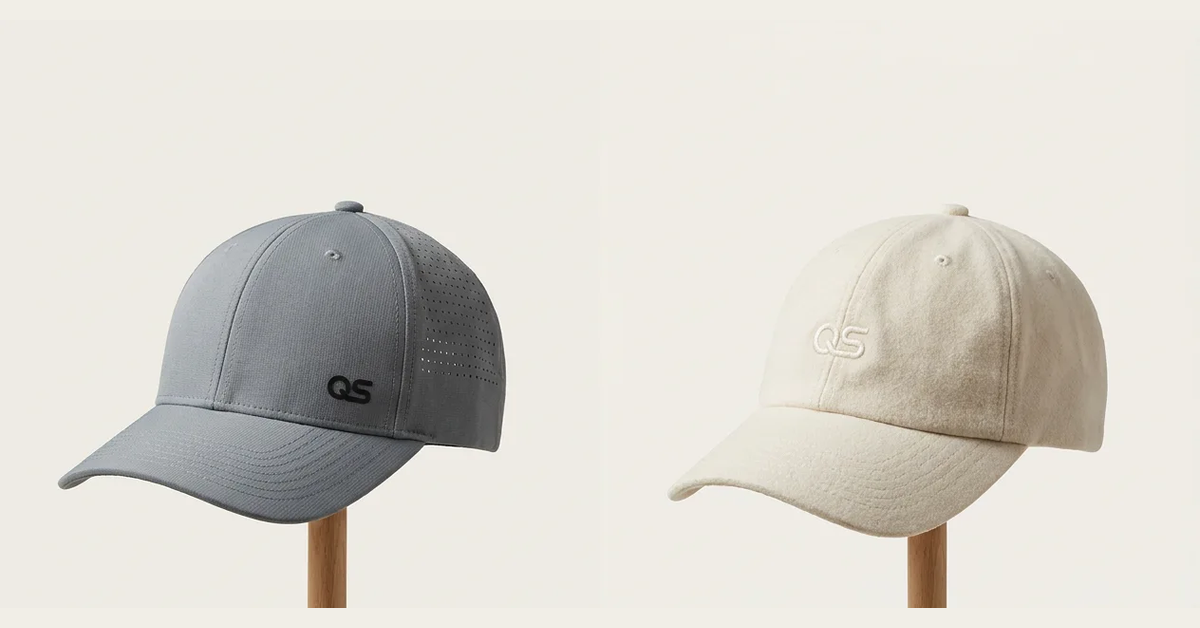
Most first-time buyers open the conversation by asking about materials. That is the wrong entry point. Fit determines who wears the cap and how it photographs, and those two factors drive sell-through far more than fabric weight does. Structured caps hold their shape off the head and project a clean, corporate, athletic look. Unstructured caps collapse when set down and read as casual, vintage or lifestyle. Get this decision wrong and no amount of fabric upgrading will rescue the product.
Structured Crowns
A structured crown uses buckram fusing behind the front panels to keep the cap standing upright. This is the standard for team sports, corporate uniforms and any application where a logo must sit flat and legible across the front panel. Embroidery performs best here because the backing gives the needle a stable surface to work against, which is why most custom baseball caps are built this way. If your artwork is dense, detailed or wide, structure is not optional.
Unstructured Crowns
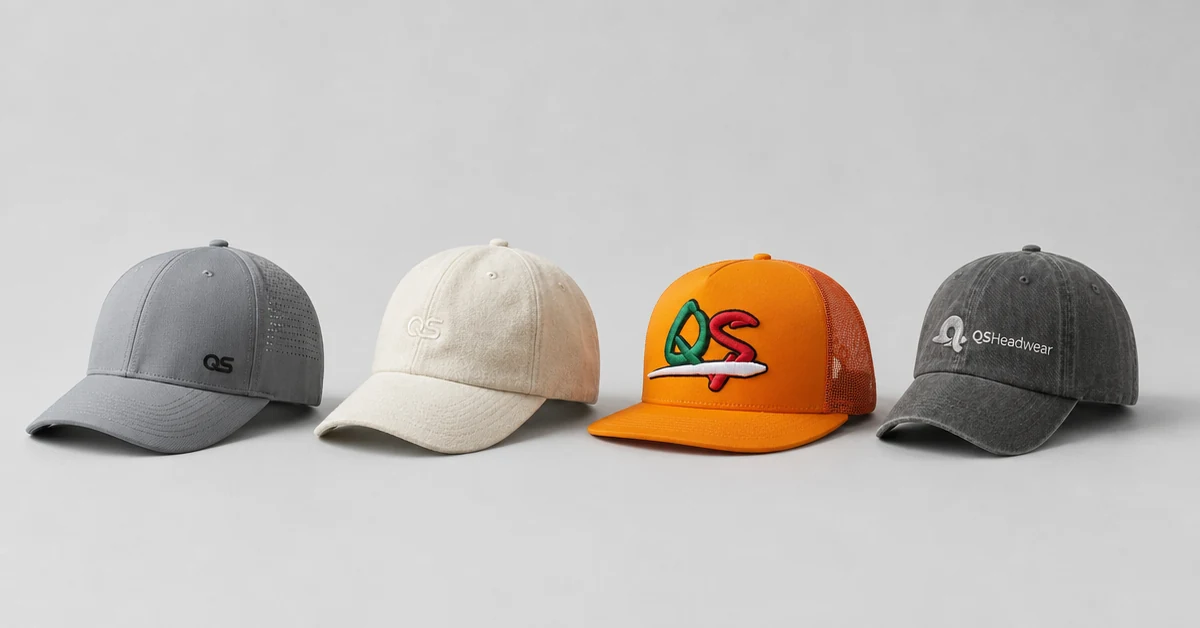
An unstructured crown drops the fusing entirely and lets the fabric follow the wearer's head. The result is softer, lower-profile and immediately more casual. This is the defining trait of the dad hat category, and it explains why custom dad hats have become a default choice for streetwear labels and direct-to-consumer merch drops. The trade-off is real: large or dense embroidery can pucker without backing, so keep front-panel artwork modest and let the fabric do the talking.
The Main Cap Families, Compared
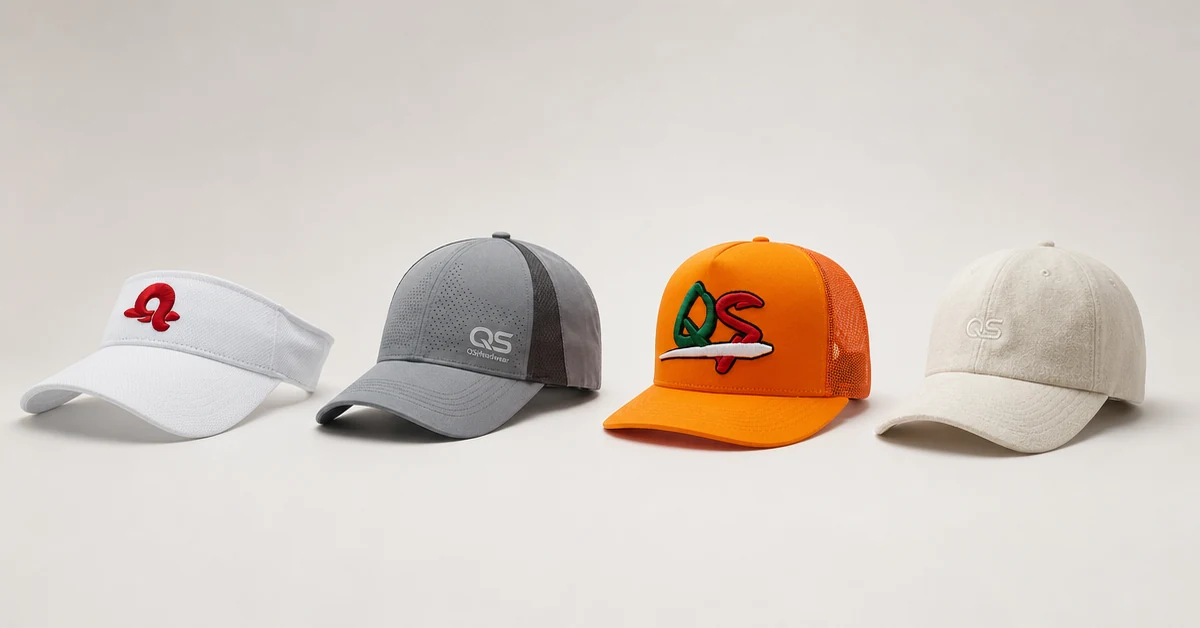
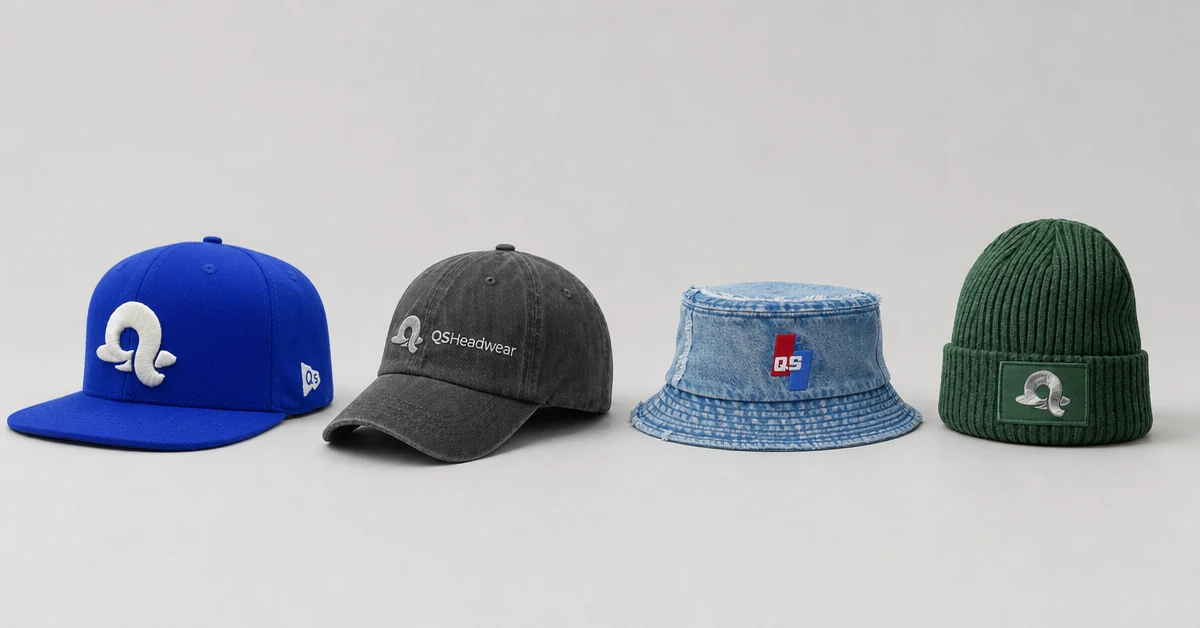
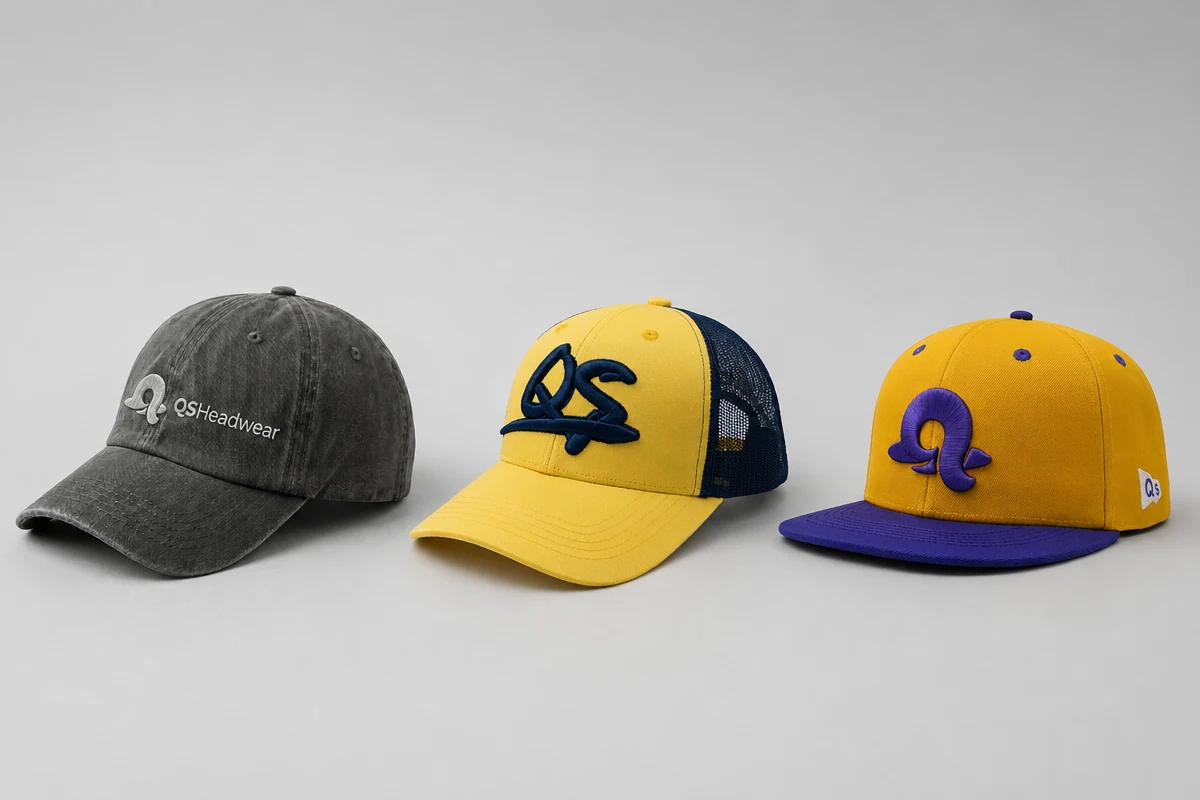
Below is how the main silhouettes differ in practical sourcing terms. Read the "best for" column as a market signal rather than a rule. Plenty of brands succeed precisely by breaking category conventions, but they do it deliberately and with a clear reason.
| Style | Crown | Brim | Closure | Best for |
|---|---|---|---|---|
| Baseball cap | Structured or soft | Curved | Strapback / fitted | Corporate, sports, general merch |
| Snapback | Structured, flat front | Flat | Plastic snap | Streetwear, music, youth markets |
| Dad hat | Unstructured | Curved, pre-worn | Metal buckle / strap | Lifestyle, DTC, vintage aesthetics |
| Trucker hat | Structured front, mesh back | Curved or flat | Plastic snap | Outdoor, workwear, summer events |
| Bucket hat | Soft, all-round | 360 degree downward | None | Festival, fishing, resort, youth fashion |
| Beanie | Knitted, no brim | None | None | Cold-weather markets, Q4 gifting |
| Visor | Open crown | Curved | Strap / elastic | Golf, tennis, running, hospitality |
When Flat Brims Beat Curved Brims
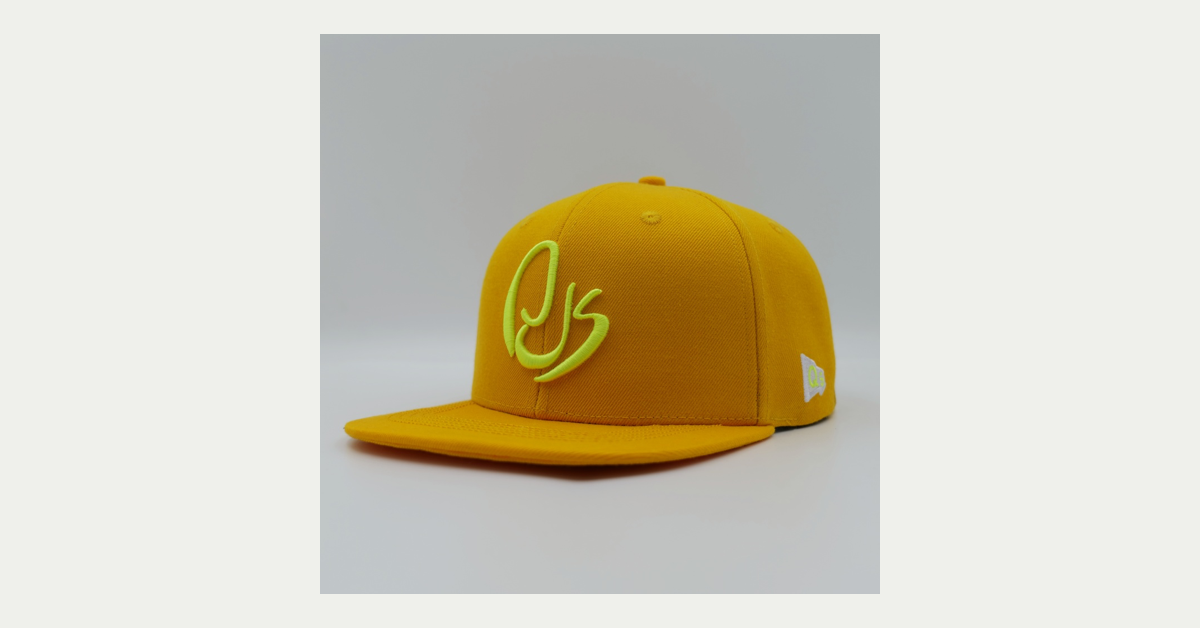
Flat brims signal streetwear and youth culture. Curved brims signal sport and utility. If your buyer persona skews under thirty and urban, custom snapback caps give you the larger, flatter front canvas that bold logo work needs. There is a logistics footnote as well: flat brims nest more efficiently in cartons than pre-curved ones, which can marginally improve freight density on large runs.
Where Mesh Earns Its Place
Mesh backing is not only an aesthetic choice. It measurably improves airflow, which matters when the end user wears a cap through a full outdoor shift rather than for a weekend. That functional argument is why custom trucker hats remain the strongest performer for construction, agriculture, landscaping and summer festival programs. Foam-front trucker styles also hold a woven or rubber patch exceptionally well, giving you a premium branding surface at a moderate unit cost.
The Case for Brimless and All-Round Styles
Bucket hats and visors sit at opposite ends of the coverage spectrum, and both solve problems a baseball cap cannot. A bucket hat gives 360-degree sun protection and has become a genuine fashion staple rather than a novelty, which is why we cover it separately in our guide to sourcing custom bucket hats. A visor removes the crown entirely, keeps the head cool and remains the standard for golf, tennis and hospitality uniforms where a full cap feels heavy.
Balancing the Seasonal Curve
A headwear range built entirely on caps has a revenue trough every winter. Adding knitted product smooths that curve considerably. Northern-hemisphere buyers typically place beanie orders between June and August for Q4 delivery, so if you are planning in spring, custom knitted beanies should already be in your development calendar rather than on a wish list. Knit development also runs on a different timeline from woven caps, which catches out buyers who plan both together.
Fabric, Compliance and What Buyers Will Ask You For
Once the silhouette is fixed, fabric becomes the next cost lever. Cotton twill, washed cotton, corduroy, wool blends and recycled polyester all behave differently under embroidery and all sit at different price points. Beyond cost, fabric increasingly carries a compliance burden. If you sell into the EU, the UK, or to any corporate procurement department, expect documentation requests early in the conversation.
The certification most Western buyers now name directly is OEKO-TEX STANDARD 100, which verifies that a finished textile product has been tested for harmful substances. Treat it as a baseline rather than a differentiator. Corporate and public-sector tenders in particular will often screen it as a pass or fail requirement before they look at your pricing at all.
Do Not Make a Claim You Cannot Evidence
Sustainability language carries legal weight in most Western markets. Recycled polyester and organic cotton both require chain-of-custody documentation before you can advertise them, and the Global Organic Textile Standard governs how organic fibre content is processed and labelled through the supply chain. If sustainability is central to your positioning, build it into the specification from the first sample round. Retrofitting a green claim onto an existing product is expensive and frequently impossible.
Match Decoration to Silhouette
Decoration is where sourcing budgets quietly inflate. Every technique carries its own setup cost, its own minimum and its own failure mode on the wrong fabric. Deciding the technique before sampling rather than during it prevents the single most common source of delay in headwear production.
Embroidery Versus Applied Branding
Flat embroidery suits fine detail and small text. 3D puff embroidery lifts the thread off the surface for a bold, sporty effect but cannot hold thin lines or small type. Both require a digitised file, and digitising is a one-time cost per design that many buyers forget to budget. Our embroidery capability page sets out how stitch count maps to unit price across both methods.
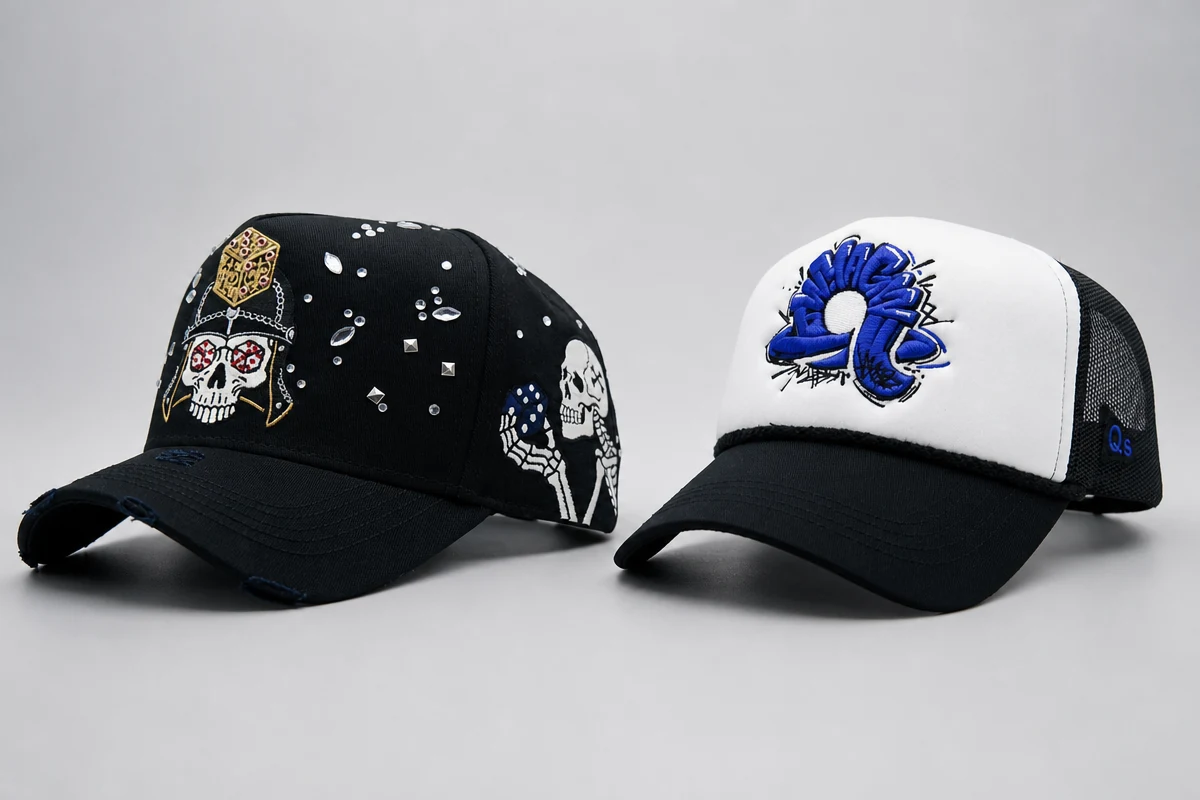
Woven and leather patches carry complex artwork that embroidery would muddy, and they apply cleanly to foam trucker fronts. Screen printing and heat transfer make sense on flat surfaces and for full-colour gradients, although they wear faster than stitched decoration. As a rule of thumb: stitch for durability and perceived quality, print for colour complexity and lower unit cost.
What Actually Drives Your Unit Cost
Buyers often assume fabric is the main cost driver. In most cap programs it is not. Panel count, structure, decoration complexity and order quantity matter more. A six-panel structured cap with a 12,000-stitch front logo, a woven side label and custom packaging can easily cost double a plain five-panel with a small flat-embroidered mark, using the same base fabric.
Order quantity then compounds every one of those choices. Setup costs such as digitising, screens and patch moulds are fixed, so they dilute as volume rises. This is why splitting a single design across three colourways usually costs less than running three separate designs at the same total volume. If your budget is tight, reduce design variations before you reduce quality.
Practical Next Steps
Narrow to two silhouettes before you contact a factory. Buyers who arrive with a focused brief get accurate quotes in days. Buyers who ask for pricing on everything get generic numbers and a slow sampling cycle. Define your target retail price first, then work backwards to the construction and decoration that fit inside it.
Order samples of both shortlisted styles in your actual colourway with your actual logo. A sample in stock colours with a placeholder mark tells you almost nothing about how the product will look on a shelf. At QSHeadwear, sampling typically runs three to five days, so building one honest correction round into your calendar costs very little time and prevents expensive surprises after bulk approval.
Confirm decoration method, thread colours and label placement in writing at the sample stage. Changes after bulk approval are the most expensive changes you can make. Finally, plan backwards from your launch date and start supplier conversations at least a full quarter ahead of any seasonal drop, with extra buffer for knitted product.
Frequently Asked Questions
Which cap style is easiest to start with for a new brand?
An unstructured dad hat or a soft-crown baseball cap is usually the lowest-risk entry point. Both suit modest embroidery, carry broad demographic appeal and avoid the tooling considerations that come with more specialised silhouettes.
Can I mix several cap styles in one order?
Usually yes, though each style carries its own setup. Mixing styles rarely reduces cost, but it is often worthwhile for testing which silhouette your audience actually buys before committing to a larger run.
How far ahead should I start a seasonal program?
Plan at least one full quarter ahead for woven caps and longer for knitted product. Winter beanie programs in particular are typically developed in early summer so that bulk production and shipping land before the Q4 selling window.